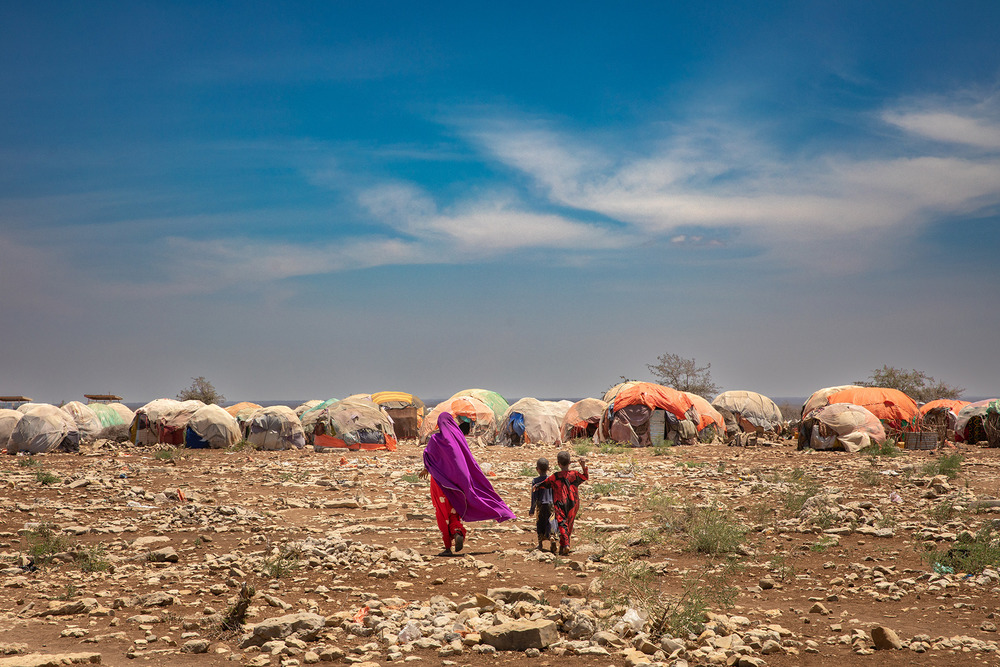

In the settlement of Dollow in Jubaland state, Habiba lost everything to the drought. Her cattle died. Her crops withered. With no other choice, she walked seven days through parched land carrying her malnourished children to reach the nearest UNICEF-supported treatment center.
There, amid rows of hospital beds filled with listless toddlers and anxious mothers, she joined hundreds of families hoping for a miracle that aid alone may not deliver.
A Haunting Humanitarian Crisis
Nearly two million children across Somalia are now at risk of acute malnutrition. UNICEF Executive Director Catherine Russell, after concluding her mission to the country, painted a grim picture of the situation.
“One of the most haunting things to see is bed after bed with malnourished children and anxious mothers just hoping that their children will survive,” Russell said after meeting families in Dollow.
“The people are incredibly resilient, but they need more support right now as all warning signs are flashing red.”
The crisis has been building for years, but multiple shocks are now converging with devastating speed.
Climate Shocks & Man-Made Crises
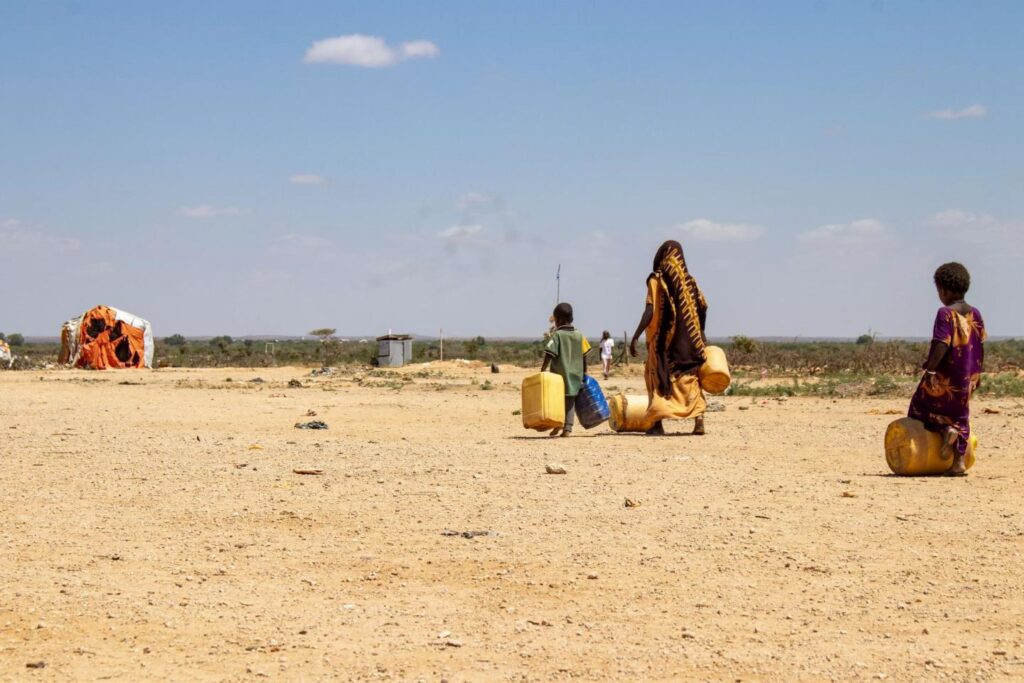
Recurrent drought has become one of the most severe drivers of the emergency. Rivers are drying up, boreholes are failing, and local water sources have become increasingly unreliable. In drought-affected areas, water costs have more than doubled as scarcity grows and fuel for delivery becomes unaffordable.
Livestock herds have been decimated, and crops have failed, stripping families of their livelihoods and triggering mass displacement. Water scarcity is also fueling disease outbreaks and deepening food insecurity.
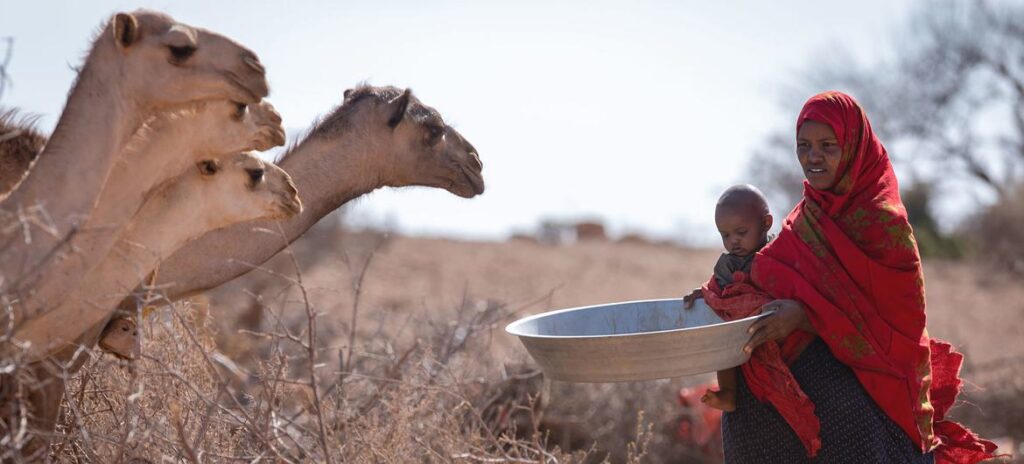
Compounding these climate shocks are man-made crises: ongoing conflict, widespread insecurity, and severe funding shortfalls.
Over the past year, more than 400 health and nutrition facilities, including over 125 sites offering vital nutrition assistance, have already closed due to insufficient financing.
Many more risk shutting down soon, particularly in the districts facing the highest levels of food and nutrition insecurity.
Even before the latest pressures, nearly three million children were in desperate need of aid. UN agencies and the Somali government recently warned that worsening drought could push 6.5 million Somalis into crisis or emergency levels of food insecurity by the end of March, with more than 1.8 million children under five at risk of acute malnutrition by the end of 2026.
Ripple Effects from the Middle East
Now, a distant conflict is making the situation even worse. Rising fuel costs and supply disruptions caused by the escalating war in the Middle East are tightening pressure on global supply chains.
For Somalia, which relies heavily on imports, this means sharply higher prices for food, medicines, fuel, and water.
UNICEF has US$15.7 million worth of critical supplies, including nutritional treatments for malnourished children, vaccines, and insecticide-treated bednets, in transit or ready for dispatch. However, if the situation in the Middle East remains unresolved, these shipments risk delays or significantly higher costs.
Hope Through Integrated Resilience Building
Despite the overwhelming challenges, UNICEF and its partners are working to move beyond pure emergency response.
They are scaling up integrated solutions that link immediate life-saving aid with longer-term investments in water systems, nutrition, social protection, and community resilience.
These efforts aim to help Somali communities better withstand recurrent climate shocks rather than falling into the same cycle of crisis every few years.
“For the children of Somalia, every dollar and every minute counts in getting life-saving aid to them,” Russell emphasised.
“What children in Somalia, like everywhere else, need the most is peace, protection, and safe access to essential services. With that, today’s children can become the doctors, nurses, and teachers needed to empower their communities and the country.”
UNICEF is appealing for US$121 million in 2026 to meet the urgent needs of millions of children and families. To date, less than US$20 million has been received.
Can Somalia Break the Cycle?
The central question remains whether Somalia can finally break this recurring cycle of emergencies.
Climate change is making droughts more frequent and severe across the Horn of Africa. Conflict continues to displace families and restrict humanitarian access. Donor fatigue and competing global crises have left dangerous funding gaps.
Yet the resilience of Somali families, mothers like Habiba who continue to fight for their children despite losing everything, offers a glimmer of hope.
With sustained investment in climate-smart infrastructure, nutrition programmes, social protection, and above all, lasting peace, the country may one day shift from perpetual crisis response to genuine preparedness and self-reliance.
Until then, children across Somalia will continue to depend on timely aid arriving before it is too late. The warning signs, as Catherine Russell observed, are flashing red.
Read Also: The Era of Permanent Water Failure has Begun