By using this site, you agree to the Privacy Policy and Terms of Use.
Accept
Green Print ReportGreen Print ReportGreen Print Report
Font ResizerAa
  • Home
  • News
  • Climate
  • Renewable Energy
  • Biodiversity
  • Contact US
Reading: Portugal shuts down last coal plant, accelerates renewable energy revolution
Font ResizerAa
Green Print ReportGreen Print Report
  • Home
  • News
  • Climate
  • Renewable Energy
  • Biodiversity
  • Contact US
Search
  • Home
  • News
  • Climate
  • Renewable Energy
  • Biodiversity
  • Contact US
Have an existing account? Sign In
  • Home
  • News
  • Climate
  • Renewable Energy
  • Biodiversity
  • Contact US
© The Greenprint Report. All Rights Reserved.
portugal
Energy

Portugal shuts down last coal plant, accelerates renewable energy revolution

Editorial Desk
Last updated: 2026/03/03 at 9:56 AM
By Editorial Desk 4 Min Read
Share
4 Min Read
SHARE

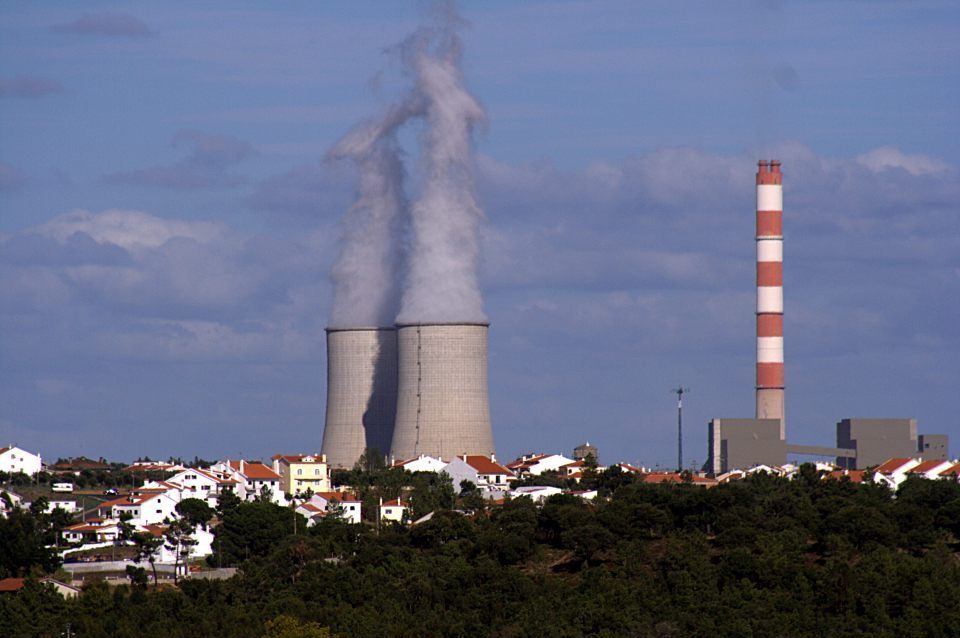
Portugal has officially closed its last remaining coal-fired power plant, marking a significant milestone in its transition toward clean energy and reinforcing its position as one of Europe’s renewable energy leaders. The move signals the country’s firm commitment to reducing carbon emissions and combating climate change.

In recent years, Portugal has generated enough renewable energy to power the entire country for extended periods. At one-point, renewable sources produced sufficient electricity to meet national demand for an entire month. The country is now on track to achieve 100 percent renewable electricity generation by 2040.

Portugal’s transition has been driven by strong political will, strategic planning, and sustained investment in energy infrastructure. The country has poured resources into expanding wind farms, hydropower plants, and solar parks, while modernizing its electricity grid to accommodate variable energy sources. Today, a significant share of Portugal’s electricity comes from wind and water, drastically reducing reliance on fossil fuels.

According to Susana Serôdio, Coordinator of Policies and Market Intelligence at APREN, existing power plants have undergone years of environmental monitoring. This has made it possible to evaluate their environmental impact, integration into surrounding areas, and necessary adjustments, providing a solid basis for future improvements and mitigation measures.

By shifting away from coal and other fossil fuels, Portugal has significantly cut greenhouse gas emissions from its power sector, one of the leading contributors to global warming. The closure of coal plants not only improves air quality but also aligns with global efforts under the United Nations climate framework to limit temperature rise.

However, the transition has not been without obstacles. Renewable energy sources such as wind, solar, and hydropower depend heavily on weather conditions. Low wind speeds or drought can reduce electricity output. Even during periods when renewable production exceeded domestic consumption, Portugal occasionally imported electricity to maintain grid stability.

To manage these challenges, the country is investing in energy storage systems, strengthening regional interconnections, and introducing smart grid technologies. These steps help balance supply and demand while ensuring a reliable electricity supply.

Portugal’s experience raises an important question for developing nations, particularly in Africa: should African countries replicate the Portuguese model?

Many African countries possess vast renewable energy potential, including abundant sunshine, strong wind corridors, and major river systems.

However, replicating Portugal’s success would require substantial investment, policy consistency, regional cooperation, and improvements in transmission infrastructure. While the contexts differ economically and structurally, the Portuguese example demonstrates that with long-term commitment and strategic investment, a clean energy transition is achievable.

“Therefore, this issue cannot be treated as a conflict between populations and economic power, as it has become in common parlance, because it is not! It is far more complex, critical, and imperative for the challenges of the future. The sharing of benefits must be explicit and tangible, because the risk of missing the current window of opportunity means catapulting the country into an economic and environmental reality of strategic importance, or continuing to be a peripheral country in the European sphere,” Susana added.

As the global energy landscape shifts, Portugal’s coal exit stands as a powerful example of how nations can move from fossil fuels toward a sustainable, low-carbon future, while acknowledging that the road to 100 percent renewable energy requires careful planning, resilience, and adaptation.

“It’s not about choosing between renewables and land, but about doing things well, with responsibility, participation, and a long-term vision, on the part of the governing body in its communication and engagement with different stakeholders, as well as public entities and companies.”

You Might Also Like

While Europe Falters, Africa Can Leapfrog to Clean Energy

Middle East Oil Disruptions Raise Economic Concerns for Sub-Saharan Africa

‘Carbon Bomb’ Pipeline Escapes Scrutiny as EACJ Dismisses Case

Ethiopia’s GERD Launch Powers Africa’s Renewable Energy Ambitions

Fossil Fuel Non-Proliferation Treaty Reveals Critical Role of Collaboration in Green Transition

Editorial Desk March 3, 2026 March 3, 2026
Share This Article
Facebook Twitter Email Copy Link Print
Leave a comment

Leave a Reply Cancel reply

Your email address will not be published. Required fields are marked *

Weekly Newsletter

Subscribe to our newsletter to get our newest articles instantly!


Also Read

GovernanceNews

Nature loss is now a boardroom issue, African company directors told

Company boards across Africa are being urged to put nature-related risks at…

By Editorial Desk 6 Min Read
AviationBusiness

Turkish Airlines Taps Çelebi Aviation as Nairobi Cements Its Role as an East African Aviation Hub

Nairobi's Jomo Kenyatta International Airport (JKIA) is adding another major carrier to…

By Editorial Desk 3 Min Read
Sports

Sevens Rugby’s Best Weekend Yet: Inside a Wild Two Days in Kisumu

There's a version of this story where KCB simply win. They arrived…

By Editorial Desk 5 Min Read

More Popular from GreenPrint Report

UNEA-6
ClimateSustainability

UNEA-6 Sparks Global Collaboration for a Sustainable Future

By Editorial Desk 4 Min Read
UNEA-6

UNEA-6 Sparks Global Collaboration for a Sustainable Future

By Editorial Desk
new collectoive quantified goal
ClimateSustainability

New Collective Quantified Goal as a Future Financing Solution

By Editorial Desk 4 Min Read
- Advertisement -
Ad image
ClimateSustainability

Enhancing Disaster Preparedness, Resilience in Madagascar

Cheneso marked the onset of the seasonal tropical cyclones disaster in Madagascar in January 2023, being…

By Editorial Desk
ClimateSustainability

Desert Locust a Probable Threat in IGAD Region

The 65th Greater Horn of Africa Climate Outlook Forum (GHACOF), which took place over two days…

By Editorial Desk
ClimateSustainability

Desert Locust a Probable Threat in IGAD Region

The 65th Greater Horn of Africa Climate Outlook Forum (GHACOF), which took place over two days…

By Editorial Desk
ClimateSustainability

Climate and Clean Air Initiatives Advances in the CCAC Ministerial Meeting

Climate and Clean air initiatives are vital to enhance regional coordination, foster private sector engagement and…

By Editorial Desk
ClimateSustainability

President Ruto Emphasizes Need for Action on Climate Crisis at Hand

President Ruto is on frontline championing Climate action rather than more climate talks when the situation…

By Editorial Desk
Green Print Report

The Greenprint Report is an independent, Kenya-focused online news platform that reports on sustainability and development issues. The goal is to inform, inspire, and engage readers with credible stories covering environmental conservation, climate change, and green innovation.

Contact:
Editorial Team: editor@greenprintreport.co.ke
Cell: +254 725 358401

Editorial Team: editor@greenprintreport.co.ke

Categories

  • Home
  • News
  • Climate
  • Renewable Energy
  • Biodiversity
  • Contact US

Quick Links

  • My Bookmarks
  • Customize Interests

The Greenprint Report © 2025. All Rights Reserved. Powered by Afritech Media

Welcome Back!

Sign in to your account

Lost your password?