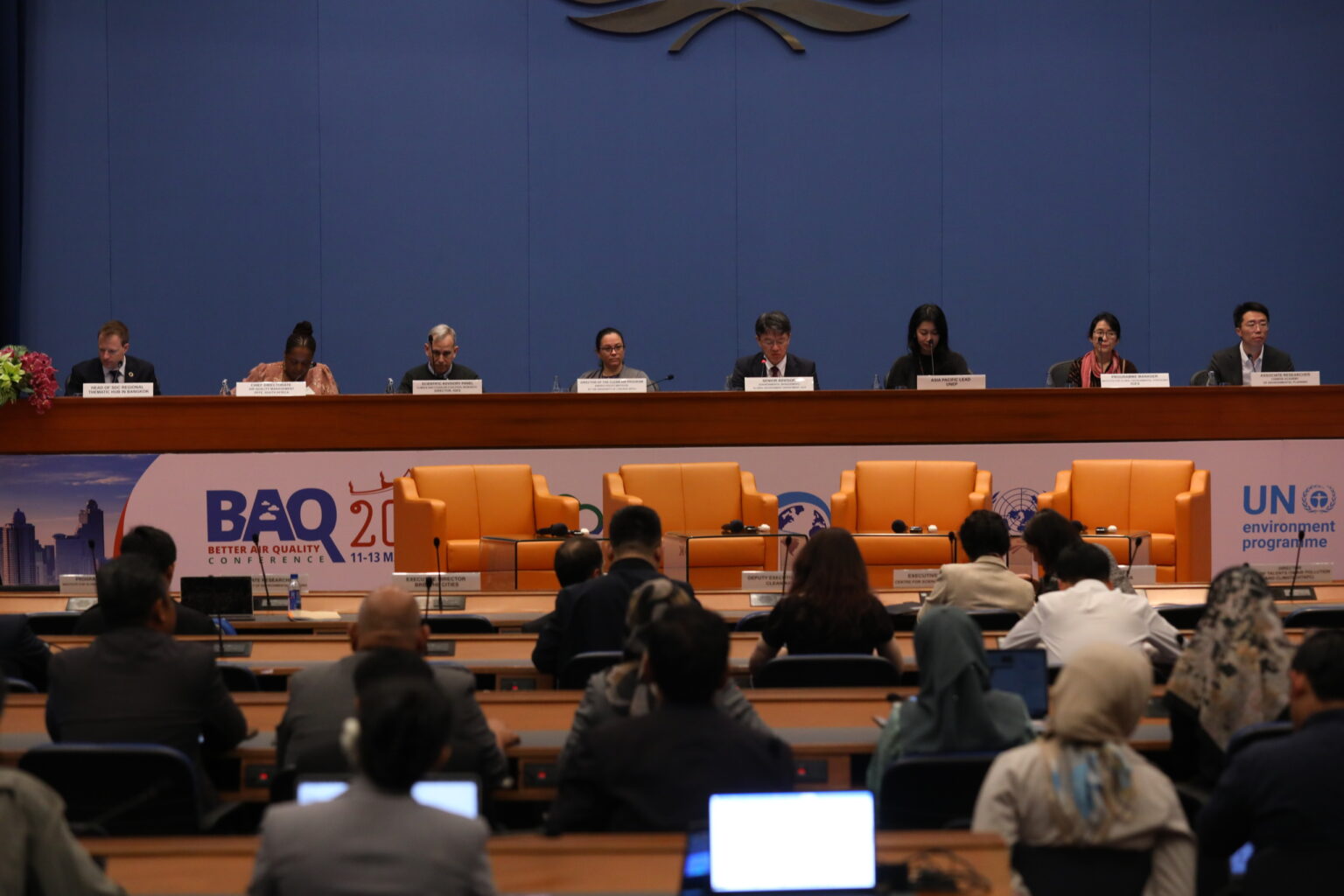

As air pollution continues to threaten millions of lives worldwide, policymakers, scientists, and development partners gathered in Thailand last week to accelerate practical solutions for cleaner skies and healthier communities.
The Better Air Quality Conference 2026, held from 11–13 March, brought together global experts to explore how countries can scale up clean air interventions and integrate them with climate action under the theme “Together for Clear Skies: Driving Action, Accelerating Investment.”
Air pollution remains one of the world’s most pressing environmental health risks. According to the World Health Organization (WHO), air pollution contributes to around 7 million premature deaths every year globally, largely from respiratory and cardiovascular diseases.

Speaking during the conference, Elliott Harris, Co-Chair of the Global Economic Assessment of Climate and Clean Air, emphasized that air pollution and climate change are deeply interconnected challenges.
“Air pollution and climate change are often discussed as separate crises. However, the climate crisis is also a health crisis, and air pollution remains one of the most visible and immediate manifestations of this connection,” he said.
Similarly, Pornthep Techapaiboon, Advisor to the Governor on Sustainability for the Bangkok Metropolitan Administration, stressed that collective action is essential.
“Air pollution is a complex challenge that no single city can solve alone. Sustainable air quality improvement requires long-term investment and strong international collaboration,” he noted.
To translate commitments into action, experts highlighted several priority areas, including tackling super-pollutants, strengthening technical capacity, and mobilizing financing for integrated solutions.
Tackling Super Pollutants for Faster Gains
One key focus was the mitigation of super pollutants, also known as short-lived climate pollutants (SLCPs), such as methane and black carbon.
These pollutants remain in the atmosphere for shorter periods than carbon dioxide but have a powerful warming effect and significant impacts on human health.
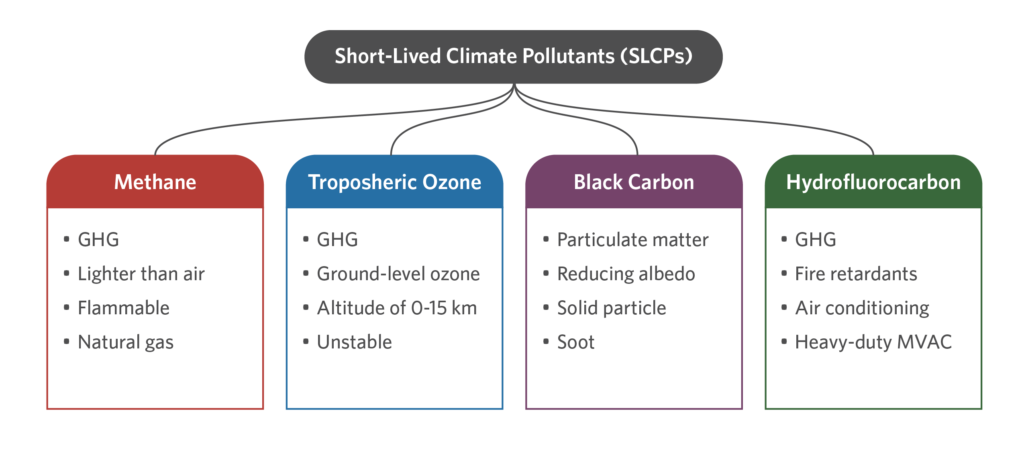
Because super pollutants often originate from the same sources as traditional air pollutants, such as fossil fuel combustion, waste burning, and agriculture, reducing them can deliver rapid benefits for both climate mitigation and public health.
The WHO warns that there is no safe level of exposure to air pollution, underscoring the need for stronger policy ambition and coordinated action.
Experts at the conference noted that integrated strategies to reduce both air pollution and SLCPs could significantly reduce illness and premature deaths while helping countries meet their climate commitments.
Children and older adults remain among the most vulnerable groups.
“Children are particularly vulnerable because their organs are still developing and they experience higher exposure relative to body weight,” a WHO representative noted during the discussions.
Researchers also pointed to opportunities for countries to integrate pollutants such as blackcarbon more explicitly into their national climate commitments, including Nationally Determined Contributions (NDCs) under global climate frameworks.
Speakers emphasized that effective action requires stronger integration of super-pollutant mitigation into national air quality strategies through measures such as:
- Shared emissions inventories and monitoring systems
- Coordinated policy frameworks across sectors
- Stronger regional cooperation to address transboundary air pollution
- Integration of SLCPs into national climate commitments and development planning
Building Technical Capacity for Implementation
While scientific understanding of air pollution and its impacts has advanced significantly, many countries still face challenges in translating knowledge into effective action.
The evidence linking air pollution to health, climate, and economic outcomes is now clear, and proven solutions, from clean energy transitions to sustainable transport and improved waste management, are already available.
However, conference delegates noted that implementation is often constrained by limited technical expertise, inadequate tools, and institutional capacity, particularly in the Global South.

To address this gap, platforms such as the Air Quality Management Exchange (AQMx) are increasingly being used to support governments and policymakers.
These platforms guide emissions inventories, monitoring systems, mitigation strategies, and public engagement, serving as global knowledge hubs for effective air quality management.
Participants emphasized that strengthening technical capacity must go hand-in-hand with financial support.
This includes targeted training programs, improved access to advanced modelling tools, and stronger links between scientific research and policy implementation.
Greater collaboration between the environment and health sectors was also identified as a key priority. Shared data systems, common indicators, and coordinated policy planning can help governments maximize the combined benefits of air quality and climate interventions.
Unlocking Finance for Clean Air Action
Financing remains one of the most critical enablers of clean air action.
Development partners at the conference discussed a range of financing mechanisms that could support integrated climate and air quality strategies. These include blended finance, policy-based lending, financial intermediary lending, carbon market mechanisms, and green bonds.
Participants noted that demonstrating the health and economic benefits of air pollution reduction can help attract new investment and strengthen the case for integrated funding across sectors.
Increasingly, financial institutions are developing frameworks that incorporate public health outcomes into climate and pollution financing decisions.
Investments in areas such as clean energy, sustainable transport, improved waste management, and climate-smart agriculture can simultaneously reduce emissions and deliver significant public health benefits.
Turning Commitments into Cleaner Air
As cities and countries continue to grapple with worsening air pollution and climate pressures, experts at the conference stressed that coordinated action can deliver immediate and long-term benefits.
With the science well established and proven solutions already available, the challenge now lies in accelerating implementation, strengthening institutional capacity, and mobilizing the investment needed to transform commitments into measurable improvements in air quality.
For millions of people around the world who breathe polluted air every day, the stakes could not be higher.
Read Also: How Air Pollution is Linked to Over 15% of Global Deaths Among Children