By using this site, you agree to the Privacy Policy and Terms of Use.
Accept
Green Print ReportGreen Print ReportGreen Print Report
Font ResizerAa
  • Home
  • News
  • Climate
  • Renewable Energy
  • Biodiversity
  • Contact US
Reading: Is Unplanned Urbanization Increasing the Dangers of Floods in Cities?
Font ResizerAa
Green Print ReportGreen Print Report
  • Home
  • News
  • Climate
  • Renewable Energy
  • Biodiversity
  • Contact US
Search
  • Home
  • News
  • Climate
  • Renewable Energy
  • Biodiversity
  • Contact US
Have an existing account? Sign In
  • Home
  • News
  • Climate
  • Renewable Energy
  • Biodiversity
  • Contact US
© The Greenprint Report. All Rights Reserved.
cities
ClimateSustainability

Is Unplanned Urbanization Increasing the Dangers of Floods in Cities?

Editorial Desk
Last updated: 2024/05/28 at 7:25 PM
By Editorial Desk 4 Min Read
Share
4 Min Read
SHARE

Urbanization is increasing at a pace that urban planning in many cities cannot easily accommodate. Consequently, infrastructure and development often remain poorly regulated, especially in informal settings that are on a surge. This oversight in construction patterns, building positions, and materials has proven dangerous, particularly considering the unprecedented climate change events like the recent floods in the East African region.

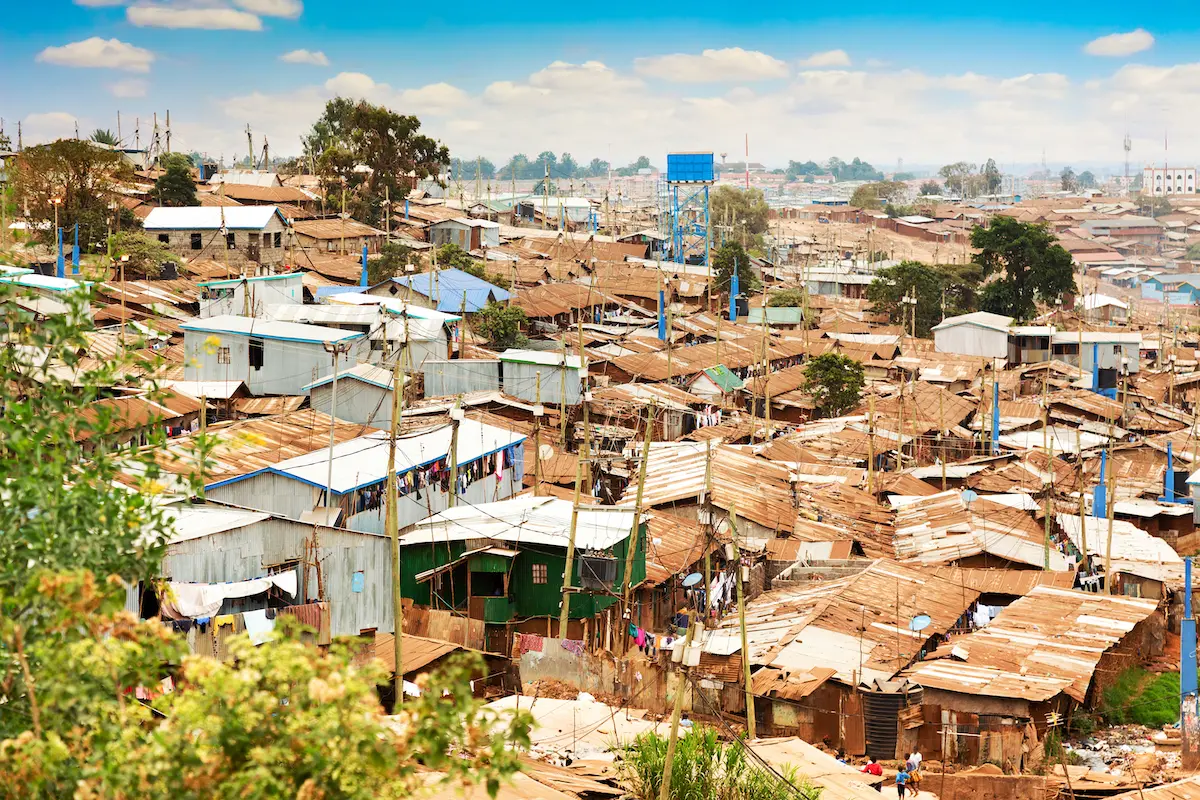
The East African region has faced multiple episodes of torrential rainfall just months after a prolonged drought unseen in forty years causing floods. These floods have had devastating effects, particularly in rapidly urbanizing areas on flood-prone lands. The rapid urbanization, especially in large informal areas, has amplified flood risks.

The recent rainfall led to rivers overflowing and landslides in highland regions, affecting more than 750,000 people and displacing hundreds of thousands. At least 291 people have died in Kenya and 155 in Tanzania. Many of these impacts occurred in large, highly populated cities, particularly in the informal settlements of Nairobi. Across East Africa, the heavy downpours notably killed 4,000 livestock and destroyed up to 27,000 acres of crops.

In collaboration with the World Weather Attribution group, researchers from Kenya, the Netherlands, Germany, Sweden, Denmark, and the United Kingdom, assessed the extent to which human-induced climate change altered the likelihood and intensity of the rainfall. They declared the rainfall an adverse occurrence but found no evidence that El Niño or the Indian Ocean Dipole influenced this year’s event.

The rapid urbanization, with houses built in flood-prone regions such as riverbanks, riparian lands, and wetlands, has exacerbated the impacts of the floods. In the context of increasing rainfall events due to climate change, urban planning that accounts for growing informal populations is crucial to mitigate the risk to human lives.

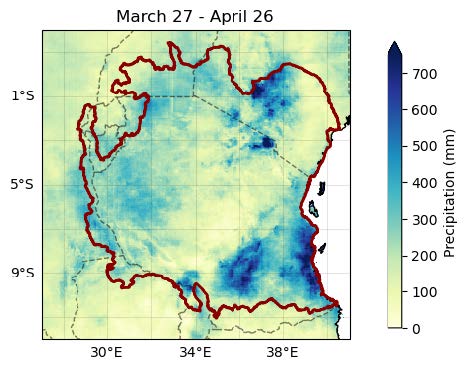
The study highlights that the flooding affected areas around Lake Tanganyika, Lake Victoria, the central highlands (including Nairobi), the southeast lowlands of Kenya, and coastal Tanzania from late March to most of April.
cities
Figure 1: Accumulated precipitation from March 27th – April 26th, the wettest 30-day period during
March-April 2024 according to the CHIRPS gridded data product. The study region is outlined in red.

Land-use changes, including deforestation and conversion to agricultural land, have also contributed to flood risk at varying degrees in the countries studied. These changes have led to significant losses and damages due to inadequate structural protections from the rains, leaving residents without resources to recover and rebuild.

Julie Arrighi, Associate Director at the Red Cross Red Crescent Climate Centre, emphasizes the dual pressure from rapid urbanization and changing climate risks across cities in East Africa.

She notes that East Africa, one of the fastest urbanizing regions in the world, must address these challenges as the pressure from rapid growth continues to mount.

The researchers stress that countries in East Africa must continue building resilience against floods in cities and growing urban areas. Improving existing infrastructure, restoring ecosystems, and implementing social policies are essential strategies to help people cope with floods and achieve long-term resilience.

Disaster preparedness policies, flood preparedness, and protection infrastructure, and early warning systems that are in place across Kenya, Tanzania, and Burundi are all steps in the right direction but must be integrated and implemented at scale to reduce impacts

You Might Also Like

From Waste to Worth: Circular Solutions Take Center Stage on Zero Waste Day

Why Upcoming IMO Negotiations Are a Defining Moment for Africa’s Trade and Climate Future

Farmers’ Victory at Risk as Kenya Prepares Appeal on Indigenous Seeds Rights

Nairobi to Host GreenWorks 4 Africa Forum to Drive Green Jobs Agenda

Kenya Strengthens Climate Forecasting with Creation of Kenya Meteorological Service Authority

TAGGED: World Weather Attribution, World Weather Attribution group, WWA
Editorial Desk May 28, 2024 May 28, 2024
Share This Article
Facebook Twitter Email Copy Link Print
Leave a comment

Leave a Reply Cancel reply

Your email address will not be published. Required fields are marked *

Weekly Newsletter

Subscribe to our newsletter to get our newest articles instantly!


Also Read

GovernanceNews

Nature loss is now a boardroom issue, African company directors told

Company boards across Africa are being urged to put nature-related risks at…

By Editorial Desk 6 Min Read
AviationBusiness

Turkish Airlines Taps Çelebi Aviation as Nairobi Cements Its Role as an East African Aviation Hub

Nairobi's Jomo Kenyatta International Airport (JKIA) is adding another major carrier to…

By Editorial Desk 3 Min Read
Sports

Sevens Rugby’s Best Weekend Yet: Inside a Wild Two Days in Kisumu

There's a version of this story where KCB simply win. They arrived…

By Editorial Desk 5 Min Read

More Popular from GreenPrint Report

UNEA-6
ClimateSustainability

UNEA-6 Sparks Global Collaboration for a Sustainable Future

By Editorial Desk 4 Min Read
UNEA-6

UNEA-6 Sparks Global Collaboration for a Sustainable Future

By Editorial Desk
new collectoive quantified goal
ClimateSustainability

New Collective Quantified Goal as a Future Financing Solution

By Editorial Desk 4 Min Read
- Advertisement -
Ad image
ClimateSustainability

Enhancing Disaster Preparedness, Resilience in Madagascar

Cheneso marked the onset of the seasonal tropical cyclones disaster in Madagascar in January 2023, being…

By Editorial Desk
ClimateSustainability

Desert Locust a Probable Threat in IGAD Region

The 65th Greater Horn of Africa Climate Outlook Forum (GHACOF), which took place over two days…

By Editorial Desk
ClimateSustainability

Desert Locust a Probable Threat in IGAD Region

The 65th Greater Horn of Africa Climate Outlook Forum (GHACOF), which took place over two days…

By Editorial Desk
ClimateSustainability

Climate and Clean Air Initiatives Advances in the CCAC Ministerial Meeting

Climate and Clean air initiatives are vital to enhance regional coordination, foster private sector engagement and…

By Editorial Desk
ClimateSustainability

President Ruto Emphasizes Need for Action on Climate Crisis at Hand

President Ruto is on frontline championing Climate action rather than more climate talks when the situation…

By Editorial Desk
Green Print Report

The Greenprint Report is an independent, Kenya-focused online news platform that reports on sustainability and development issues. The goal is to inform, inspire, and engage readers with credible stories covering environmental conservation, climate change, and green innovation.

Contact:
Editorial Team: editor@greenprintreport.co.ke
Cell: +254 725 358401

Editorial Team: editor@greenprintreport.co.ke

Categories

  • Home
  • News
  • Climate
  • Renewable Energy
  • Biodiversity
  • Contact US

Quick Links

  • My Bookmarks
  • Customize Interests

The Greenprint Report © 2025. All Rights Reserved. Powered by Afritech Media

Welcome Back!

Sign in to your account

Lost your password?