By using this site, you agree to the Privacy Policy and Terms of Use.
Accept
Green Print ReportGreen Print ReportGreen Print Report
Font ResizerAa
  • Home
  • News
  • Climate
  • Renewable Energy
  • Biodiversity
  • Contact US
Reading: Why Upcoming IMO Negotiations Are a Defining Moment for Africa’s Trade and Climate Future
Font ResizerAa
Green Print ReportGreen Print Report
  • Home
  • News
  • Climate
  • Renewable Energy
  • Biodiversity
  • Contact US
Search
  • Home
  • News
  • Climate
  • Renewable Energy
  • Biodiversity
  • Contact US
Have an existing account? Sign In
  • Home
  • News
  • Climate
  • Renewable Energy
  • Biodiversity
  • Contact US
© The Greenprint Report. All Rights Reserved.
IMO
OceansSustainability

Why Upcoming IMO Negotiations Are a Defining Moment for Africa’s Trade and Climate Future

Editorial Desk
Last updated: 2026/03/27 at 12:10 PM
By Editorial Desk 5 Min Read
Share
5 Min Read
SHARE

As global efforts to decarbonize shipping intensify, upcoming negotiations at the International Maritime Organization (IMO) are emerging as a critical turning point for Africa’s economic and climate trajectory.

Contents
IMO Negotiation Landscape of Economic Risks and Uneven ImpactsA Call for African Unity and Preparedness

African maritime leaders are warning that the outcome of these talks will directly shape the continent’s trade competitiveness, cost of living, and access to climate finance. It’s apparent that the maritime sector holds high stakes for the African continent with diverse and vast impacts.

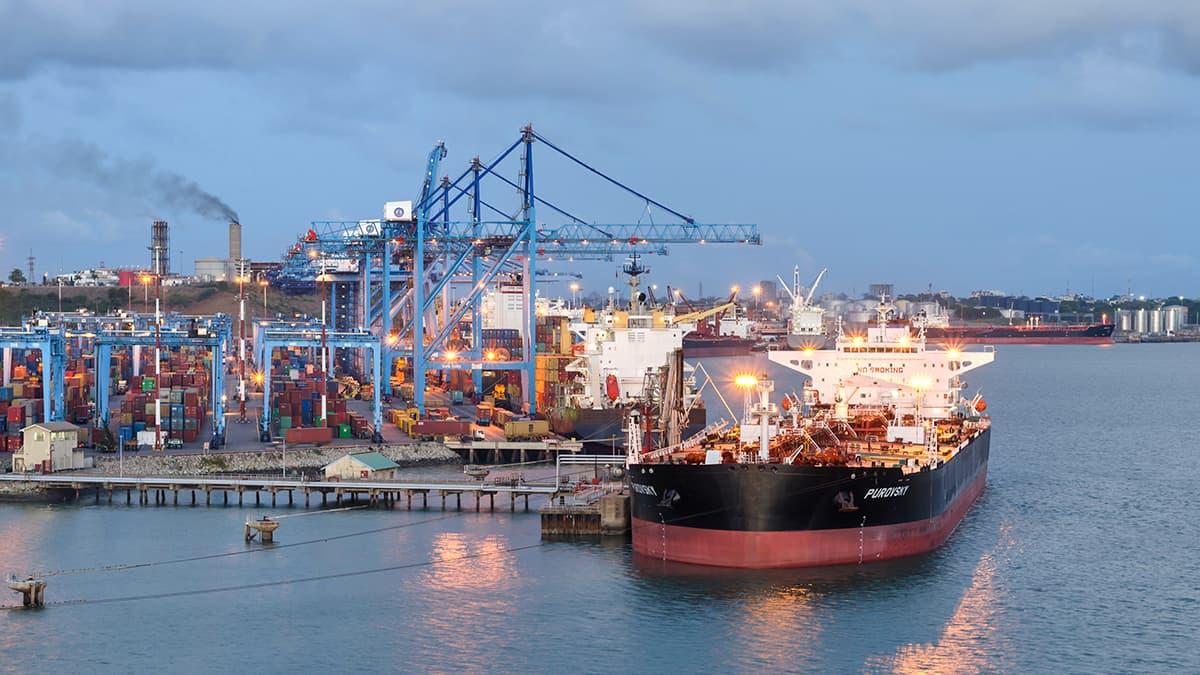
Maritime transport, carrying more than 90 per cent of Africa’s external trade, makes shipping the backbone of the continent’s integration into global markets. Any shift in global maritime regulations, particularly those tied to emissions, will therefore have immediate and far-reaching consequences.

Speaking at a regional meeting in Mombasa convened by the Association of African Maritime Administrations, Kenya’s Special Envoy for Climate Change, Ali Mohamed, emphasized the need for Africa to position itself strategically amid growing geopolitical tensions shaping the negotiations.

He cautioned that decisions made without Africa’s input risk increasing logistics costs, disrupting trade flows, and weakening the competitiveness of African exports.

IMO Negotiation Landscape of Economic Risks and Uneven Impacts

The IMO’s proposed Net Zero Framework seeks to cut greenhouse gas emissions from shipping, an industry responsible for about 3% of global emissions, through cleaner fuels and possible carbon pricing mechanisms.

However, negotiations have been marked by deep divisions. A proposed global carbon levy on shipping emissions, seen as a key tool to both curb pollution and raise billions for climate action, has faced strong opposition.

Reports indicate that pressure from powerful economies, particularly the United States, has influenced several countries to withdraw support, leading to delays in adoption.

The postponement of key decisions in 2025 highlights how fragile the consensus is and raises uncertainty ahead of the next round of talks, which are deemed essential for navigating forward.

For Africa, these geopolitical dynamics pose a major risk: rules may ultimately be shaped by competing global interests rather than the continent’s development needs.

IMO

An Africa-focused assessment by the United Nations Conference on Trade and Development (UNCTAD) highlights the potential economic implications of the IMO’s emissions reduction measures.

The analysis, covering countries including Kenya, Ghana, Nigeria, and Malawi, suggests that most policy scenarios could negatively affect GDP, trade volumes, and consumer prices, particularly if additional costs from emissions regulations are passed on through shipping.

Higher freight costs could translate into increased prices for essential goods, disproportionately affecting vulnerable populations.

However, the study also points to a pathway for mitigating these impacts: well-designed carbon levies with revenue redistribution could help offset economic losses and support a more equitable transition.

A Call for African Unity and Preparedness

African maritime authorities are now pushing for stronger coordination and a unified negotiating position during the IMO sessions.

Omae Nyarandi, Director General of the Kenya Maritime Authority and chair of AAMA, described the shift to low-carbon shipping as a defining moment. Although he emphasized a warning that regulations crafted without considering Africa’s realities could deepen existing inequalities in global trade.

Officials from the African Union Commission echoed this sentiment, stressing that maritime transport remains central to Africa’s industrialization and regional integration agenda.

IMO

Participants at the Mombasa forum then outlined the shared priorities, identified investment needs, and developed a common African position to guide engagement at the IMO.

With key IMO discussions expected in the coming months, Africa faces a narrowing window to influence global maritime policy.

The stakes extend beyond emissions reduction. At the heart of the negotiations lies a broader question: whether the global transition to green shipping will be equitable, or whether it will deepen existing economic divides.

For Africa, securing a fair outcome will depend on unity, technical preparedness, and the ability to navigate an increasingly complex geopolitical landscape.

You Might Also Like

From Waste to Worth: Circular Solutions Take Center Stage on Zero Waste Day

Youth Take Center Stage in Ocean Conservation: ‘Let’s Talk BBNJ Youth Series’

ISA Council Advances Deep-Sea Mining Rules Amid Push for Clear Standards Framework

Farmers’ Victory at Risk as Kenya Prepares Appeal on Indigenous Seeds Rights

Nairobi to Host GreenWorks 4 Africa Forum to Drive Green Jobs Agenda

TAGGED: IMO, IMO's NZF, International Maritime Organization, Net Zero Framework
Editorial Desk March 27, 2026 March 27, 2026
Share This Article
Facebook Twitter Email Copy Link Print
Leave a comment

Leave a Reply Cancel reply

Your email address will not be published. Required fields are marked *

Weekly Newsletter

Subscribe to our newsletter to get our newest articles instantly!


Also Read

News

Why Thailand is a global leader in medical and wellness tourism

With the rising demand for cost-effective, technologically advanced and high-quality medical care,…

By Editorial Desk 4 Min Read
Technology

Claw Phones Are Coming to Kenya, TECNO’s EllaClaw Leads the Change

TECNO is introducing a new era of mobile intelligence in Kenya and…

By Editorial Desk 3 Min Read
News

Easter Donations Bring Hope to Children’s Gardens Home

Children’s Gardens Home and School welcomed Easter donations from international well-wishers this…

By Editorial Desk 4 Min Read

More Popular from GreenPrint Report

UNEA-6
ClimateSustainability

UNEA-6 Sparks Global Collaboration for a Sustainable Future

By Editorial Desk 4 Min Read
UNEA-6

UNEA-6 Sparks Global Collaboration for a Sustainable Future

By Editorial Desk
new collectoive quantified goal
ClimateSustainability

New Collective Quantified Goal as a Future Financing Solution

By Editorial Desk 4 Min Read
- Advertisement -
Ad image
ClimateSustainability

Enhancing Disaster Preparedness, Resilience in Madagascar

Cheneso marked the onset of the seasonal tropical cyclones disaster in Madagascar in January 2023, being…

By Editorial Desk
ClimateSustainability

Desert Locust a Probable Threat in IGAD Region

The 65th Greater Horn of Africa Climate Outlook Forum (GHACOF), which took place over two days…

By Editorial Desk
ClimateSustainability

Desert Locust a Probable Threat in IGAD Region

The 65th Greater Horn of Africa Climate Outlook Forum (GHACOF), which took place over two days…

By Editorial Desk
ClimateSustainability

Climate and Clean Air Initiatives Advances in the CCAC Ministerial Meeting

Climate and Clean air initiatives are vital to enhance regional coordination, foster private sector engagement and…

By Editorial Desk
ClimateSustainability

President Ruto Emphasizes Need for Action on Climate Crisis at Hand

President Ruto is on frontline championing Climate action rather than more climate talks when the situation…

By Editorial Desk
Green Print Report

The Greenprint Report is an independent, Kenya-focused online news platform that reports on sustainability and development issues. The goal is to inform, inspire, and engage readers with credible stories covering environmental conservation, climate change, and green innovation.

Contact:
Editorial Team: editor@greenprintreport.co.ke
Cell: +254 725 358401

Editorial Team: editor@greenprintreport.co.ke

Categories

  • Home
  • News
  • Climate
  • Renewable Energy
  • Biodiversity
  • Contact US

Quick Links

  • My Bookmarks
  • Customize Interests

The Greenprint Report © 2025. All Rights Reserved. Powered by Afritech Media

Welcome Back!

Sign in to your account

Lost your password?