


The world recognizes Africa’s mineral reserves as critical for the global transition to cleaner energy. However, this narrative, focused on the needs of industrialized nations, overlooks a fundamental truth: Africa’s minerals hold a far greater significance for the continent itself.
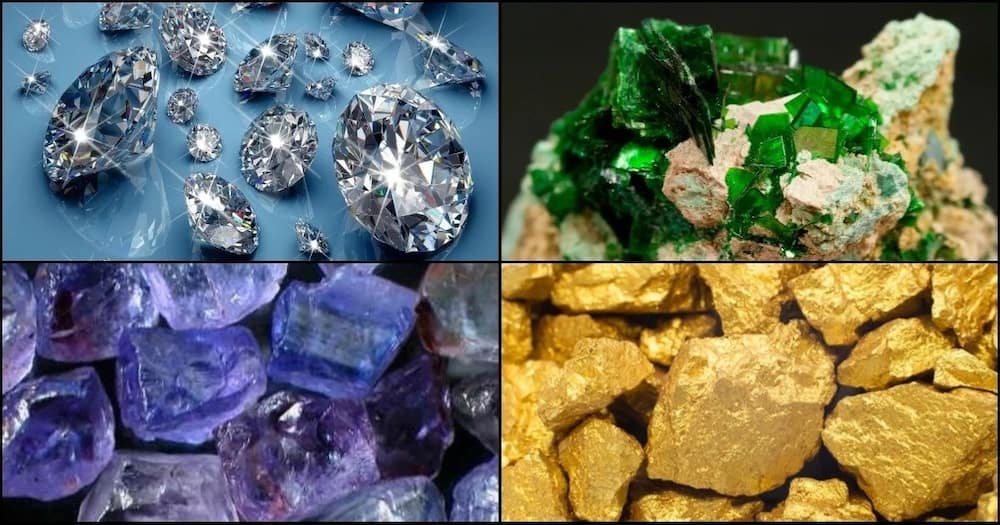
Africa stands at the threshold of a new era, where its vast mineral wealth can redefine its global standing toward a sustainable future. It is evident the continent is home to sizeable reserves of what the world currently defines as critical minerals: 55% of cobalt, 47.65% of manganese, 21.6% of natural graphite, 5.9% of copper, 5.6% of nickel, 1% of lithium, and 0.6% of iron ore.
While the prevailing global discourse on critical minerals centers on Africa’s role in facilitating a just energy transition, primarily for developed Western nations, Africa must redefine “critical minerals” with its own development front and center. Whether it’s minerals to help meet the continent’s energy needs or those required for fertilizers to ensure food security, the questions of “why” and “for whom” these minerals are deemed critical must be answered.
Africa’s Mineral Potential
Despite contributing less than 5% to global greenhouse gas emissions, Africa remains disproportionately vulnerable to climate change impacts and faces significant energy poverty. With the worldwide shift toward sustainable energy intensifying and the demand for critical minerals expected to surge, Africa can and should leverage its mineral wealth for its own development.
However, Africa’s mining sector is lagging behind in delivering essentials to gear on the push for growth through these resources. A call is made on the sectors to overcome infrastructural deficiencies, economic inequalities, and governance issues to fully capitalize on its mineral resources. Ensuring equitable distribution of the benefits derived from mineral extraction and directing these benefits toward sustainable development is paramount.
The Democratic Republic of Congo (DRC) and Zambia exemplify Africa’s mineral potential which is just a handful of the capability. Together, these nations supply a significant portion of the world’s copper, with the DRC dominating global cobalt production. Both countries are establishing special economic zones focused on electric vehicle and battery production, aligning with the African Union’s Agenda 2063, which prioritizes industrialization and economic diversification.
Zimbabwe, a significant lithium producer, has taken a bold move in banning raw lithium ore exports to encourage domestic value addition, attracting substantial foreign investment, including a $300 million investment from Zhejiang Huayou Cobalt in the Arcadia lithium mine.
According to Laura Nicholson, Head of Content & Strategic Partnerships for Mining Indaba, the DRC, Zambia, and Zimbabwe are setting a powerful precedent. Pointing out that by focusing on downstream processing and regional partnerships, they’re demonstrating how Africa can move beyond raw mineral export and build a more sustainable, value-driven mining sector.
Opportunities and Risks
Today, the increasing global interest in Africa’s minerals presents both opportunities and risks that can either work for the continent or further derail the growth anticipated. Evident is the competition for access intensifying, with various actors vying to secure supply chains. For example, China’s significant investments and strategic partnerships in the African mining sector highlight this competitive landscape, closely followed by Russia expanding its influence through mining agreements and alliances.
Navigating this complex geopolitical terrain requires strategic action hence the Intra-African cooperation and a comprehensive mineral governance framework, such as the African Green Minerals Strategy, are crucial for strengthening the continent’s bargaining power and ensuring its central role in the global energy transition and green technology value chain.
Moving beyond raw mineral exports and fostering value addition within Africa is essential for maximizing the continent’s gains from the mineral boom. The African Continental Free Trade Area (AfCFTA) provides a platform for regional integration and the development of integrated supply chains, potentially reducing reliance on external partnerships and promoting sustainable development within the African mining sector.
Redefining Critical
For Africa, the term “critical” must go beyond referring to the minerals essential for green technologies alone as others valuable are isolated. It must encompass a broader spectrum of minerals, including resources vital not only for global energy transformation but also for the continent’s own economic growth, infrastructure development, job creation, agriculture, and poverty reduction.
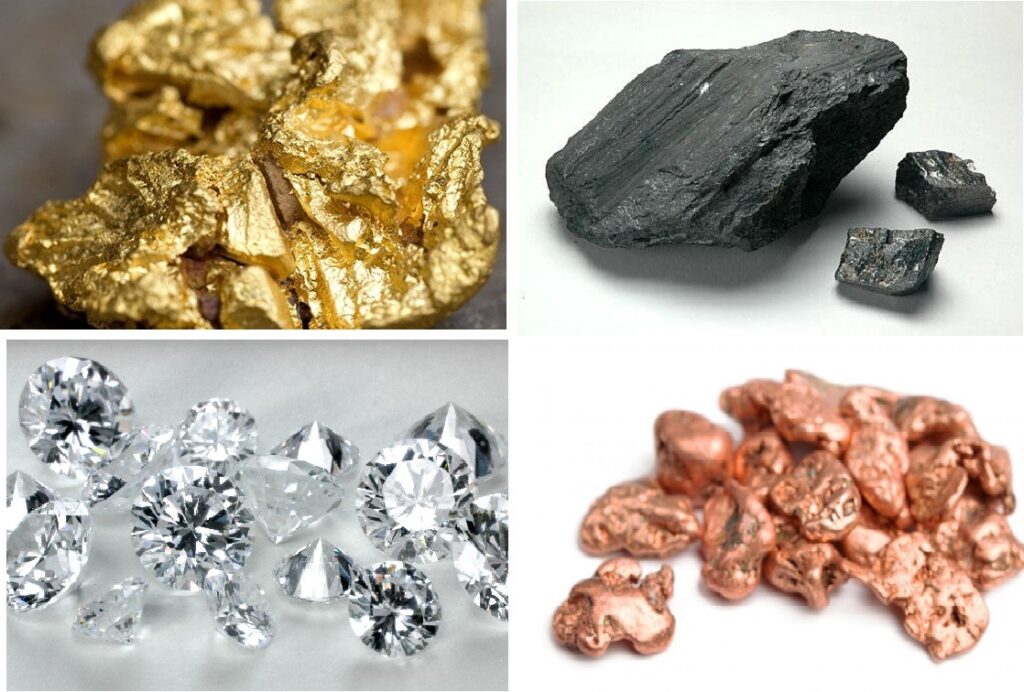
Minerals like iron ore, bauxite, and coal, essential for building infrastructure and powering industries, hold equal, if not greater, importance than those solely tied to the global energy transition. Gold, a significant source of employment, and potash and phosphates, essential for agricultural development and food security, further exemplify this expanded, Africa-led definition of criticality.
“We need to broaden our understanding of what ‘critical’ truly means for Africa,” explains Nicholson. “It’s not just about the minerals needed for global energy transition; it’s about the resources that will drive sustainable development, create jobs, and improve lives across the continent.”
In 2023, in South Africa alone, the mining of critical minerals saw operators contribute roughly $11.18 billion to the country’s GDP and provide direct employment to almost half a million people. “Africa’s mineral wealth is its own destiny to shape,” says Nicholson.
“If African nations continue only supplying raw minerals, they will miss out on the real economic benefits of the mineral boom. Thus, we must no longer supply the world’s transition; we must lead it. Mining Indaba 2025 marks the turning point Africa redefines critical not by global demands, but by its own needs, its vision of prosperity,” added Nicholson.
Emphasizing that this is Africa’s moment and it is time for the continent to seize control of this narrative, define its critical mineral priorities, and chart a course toward prosperity, driven by its resources.



This is content excellence at its finest! The depth of research and clarity of presentation sets a new standard. Your expertise in this field is truly impressive.
This is content excellence at its finest! The depth of research and clarity of presentation sets a new standard. Your expertise in this field is truly impressive.