By using this site, you agree to the Privacy Policy and Terms of Use.
Accept
Green Print ReportGreen Print ReportGreen Print Report
Font ResizerAa
  • Home
  • News
  • Climate
  • Renewable Energy
  • Biodiversity
  • Contact US
Reading: World Faces Food Waste Crisis: How We Can Reverse the Trend
Font ResizerAa
Green Print ReportGreen Print Report
  • Home
  • News
  • Climate
  • Renewable Energy
  • Biodiversity
  • Contact US
Search
  • Home
  • News
  • Climate
  • Renewable Energy
  • Biodiversity
  • Contact US
Have an existing account? Sign In
  • Home
  • News
  • Climate
  • Renewable Energy
  • Biodiversity
  • Contact US
© The Greenprint Report. All Rights Reserved.
food waste
FoodSustainability

World Faces Food Waste Crisis: How We Can Reverse the Trend

Editorial Desk
Last updated: 2024/04/01 at 7:59 AM
By Editorial Desk 4 Min Read
Share
4 Min Read
SHARE

Ahead of the International Day of Zero Waste, the United Nations Environment Programme (UNEP) and WRAP released their Food Waste Index Report 2024, highlighting a staggering statistic: over 1 billion meals are squandered daily worldwide. Published on March 27, 2024, the report paints a distressing picture of a world where while 783 million people suffer from hunger, an equivalent of one-fifth of all food available to consumers goes to waste, significantly impacting the global economy and intensifying climate change, biodiversity loss, and pollution.

The Food Waste Index Report 2024 tracks progress toward halving global food waste by 2030, emphasizing multi-stakeholder collaboration through Public Private Partnerships (PPP). Key findings reveal that in 2022, 1.05 billion tonnes of food were wasted globally, with households responsible for 60% of this waste.

This excessive waste contributes significantly to greenhouse gas emissions and this worsens food insecurity. Surprisingly, food wastage is not solely a problem in affluent nations, as data shows convergence in waste levels across different income groups. Factors like climate, urban-rural disparities, and inadequate data coverage influence food wastage patterns.

Promisingly, only a handful of countries, mainly from the G20, have suitable estimates to track progress towards this goal, highlighting the need for improved data collection and reporting mechanisms. The report advocates for consistent measurement of food wastage, integration into national climate plans, and collaboration across international supply chains to effectively tackle this critical issue at both individual and systemic levels.

“Food wastage is a global tragedy. Millions will go hungry today as food is wasted across the world,” said Inger Andersen, Executive Director of UNEP. “Not only is this a major development issue, but the impacts of such unnecessary waste are causing substantial costs to the climate and nature. The good news is we know if countries prioritize this issue, they can significantly reverse food loss and waste, reduce climate impacts and economic losses, and accelerate progress on global goals.”
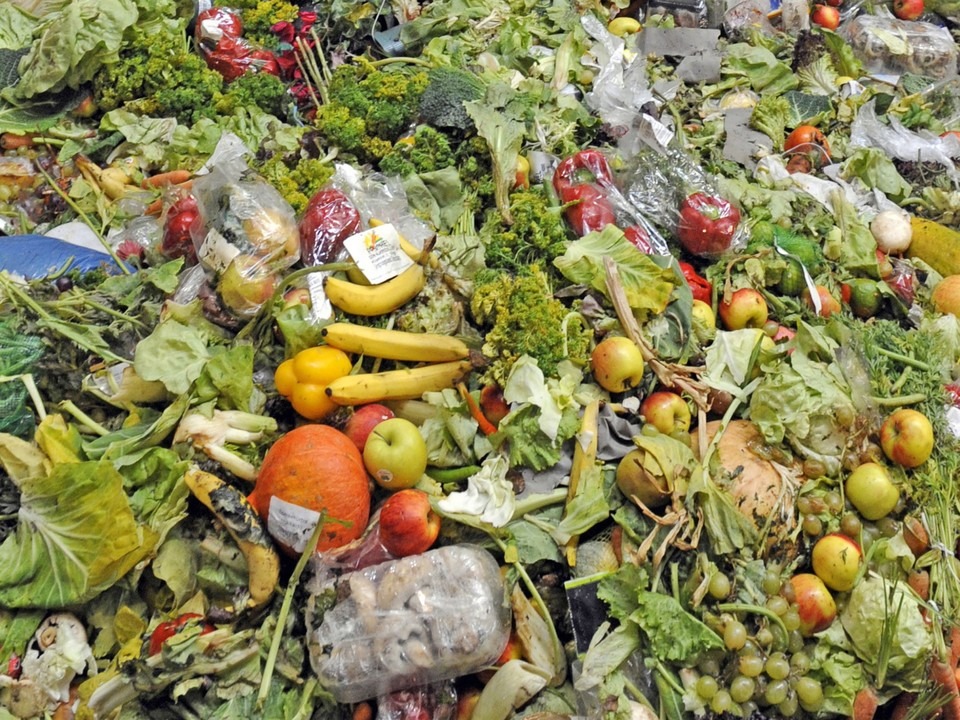
food waste
An illustration of food waste

Public-private partnerships (PPPs) emerge as a promising solution, increasingly being adopted to combat food wastage and its environmental impacts while also bringing together various stakeholders to drive systemic change and innovation. These partnerships not only address food waste but also contribute to mitigating greenhouse gas emissions and alleviating water stress.

“With the huge cost to the environment, society, and global economies caused by food wastage, we need greater coordinated action across continents and supply chains. We support UNEP in calling for more G20 countries to measure food waste and work towards SDG12.3,” said Harriet Lamb, CEO of WRAP.

“This is critical to ensuring food feeds people, not landfills. Public-private partnerships are one key tool delivering results today, but they require support: whether philanthropic, business, or governmental, actors must rally behind programs addressing the enormous impact wasting food has on food security, our climate, and our wallets.”

The UNEP and WRAP report serves as an inspiring call for action, urging countries to integrate food wastage reduction strategies into their national climate plans and enhance cooperation across continents and supply chains. By leveraging PPPs and adopting best practices, we can work towards a future where food feeds people, not landfills while safeguarding the environment for generations to come.

You Might Also Like

From Waste to Worth: Circular Solutions Take Center Stage on Zero Waste Day

Zero Waste Day: Confronting the Global Food Waste Crisis

Somalia’s Children at the Crossroads of Climate Change and Conflict

Why Upcoming IMO Negotiations Are a Defining Moment for Africa’s Trade and Climate Future

Farmers’ Victory at Risk as Kenya Prepares Appeal on Indigenous Seeds Rights

TAGGED: food waste, Food Waste Index Report 2024, International Day of Zero Waste
Editorial Desk April 1, 2024 April 1, 2024
Share This Article
Facebook Twitter Email Copy Link Print
Leave a comment

Leave a Reply Cancel reply

Your email address will not be published. Required fields are marked *

Weekly Newsletter

Subscribe to our newsletter to get our newest articles instantly!


Also Read

GovernanceNews

Nature loss is now a boardroom issue, African company directors told

Company boards across Africa are being urged to put nature-related risks at…

By Editorial Desk 6 Min Read
AviationBusiness

Turkish Airlines Taps Çelebi Aviation as Nairobi Cements Its Role as an East African Aviation Hub

Nairobi's Jomo Kenyatta International Airport (JKIA) is adding another major carrier to…

By Editorial Desk 3 Min Read
Sports

Sevens Rugby’s Best Weekend Yet: Inside a Wild Two Days in Kisumu

There's a version of this story where KCB simply win. They arrived…

By Editorial Desk 5 Min Read

More Popular from GreenPrint Report

UNEA-6
ClimateSustainability

UNEA-6 Sparks Global Collaboration for a Sustainable Future

By Editorial Desk 4 Min Read
UNEA-6

UNEA-6 Sparks Global Collaboration for a Sustainable Future

By Editorial Desk
new collectoive quantified goal
ClimateSustainability

New Collective Quantified Goal as a Future Financing Solution

By Editorial Desk 4 Min Read
- Advertisement -
Ad image
ClimateSustainability

Enhancing Disaster Preparedness, Resilience in Madagascar

Cheneso marked the onset of the seasonal tropical cyclones disaster in Madagascar in January 2023, being…

By Editorial Desk
ClimateSustainability

Desert Locust a Probable Threat in IGAD Region

The 65th Greater Horn of Africa Climate Outlook Forum (GHACOF), which took place over two days…

By Editorial Desk
ClimateSustainability

Desert Locust a Probable Threat in IGAD Region

The 65th Greater Horn of Africa Climate Outlook Forum (GHACOF), which took place over two days…

By Editorial Desk
ClimateSustainability

Climate and Clean Air Initiatives Advances in the CCAC Ministerial Meeting

Climate and Clean air initiatives are vital to enhance regional coordination, foster private sector engagement and…

By Editorial Desk
ClimateSustainability

President Ruto Emphasizes Need for Action on Climate Crisis at Hand

President Ruto is on frontline championing Climate action rather than more climate talks when the situation…

By Editorial Desk
Green Print Report

The Greenprint Report is an independent, Kenya-focused online news platform that reports on sustainability and development issues. The goal is to inform, inspire, and engage readers with credible stories covering environmental conservation, climate change, and green innovation.

Contact:
Editorial Team: editor@greenprintreport.co.ke
Cell: +254 725 358401

Editorial Team: editor@greenprintreport.co.ke

Categories

  • Home
  • News
  • Climate
  • Renewable Energy
  • Biodiversity
  • Contact US

Quick Links

  • My Bookmarks
  • Customize Interests

The Greenprint Report © 2025. All Rights Reserved. Powered by Afritech Media

Welcome Back!

Sign in to your account

Lost your password?