By using this site, you agree to the Privacy Policy and Terms of Use.
Accept
Green Print ReportGreen Print ReportGreen Print Report
Font ResizerAa
  • Home
  • News
  • Climate
  • Renewable Energy
  • Biodiversity
  • Contact US
Reading: A Lens of Resilience: Women on the Front Lines of Climate Crisis
Font ResizerAa
Green Print ReportGreen Print Report
  • Home
  • News
  • Climate
  • Renewable Energy
  • Biodiversity
  • Contact US
Search
  • Home
  • News
  • Climate
  • Renewable Energy
  • Biodiversity
  • Contact US
Have an existing account? Sign In
  • Home
  • News
  • Climate
  • Renewable Energy
  • Biodiversity
  • Contact US
© The Greenprint Report. All Rights Reserved.
resilience
Sustainability

A Lens of Resilience: Women on the Front Lines of Climate Crisis

Editorial Desk
Last updated: 2024/07/17 at 2:24 PM
By Editorial Desk 4 Min Read
Share
4 Min Read
SHARE

A Lensational convention highlighted the crucial role of indigenous knowledge in building resilience and addressing the climate crisis. Themed “Matriarchs of Climate Resilience: Indigenous People at the Heart of Climate Change Policy Dialogue and Exhibition,” the meeting brought together diverse stakeholders, including climate experts, representatives of marginalized communities, storytellers, and humanitarian organizations.


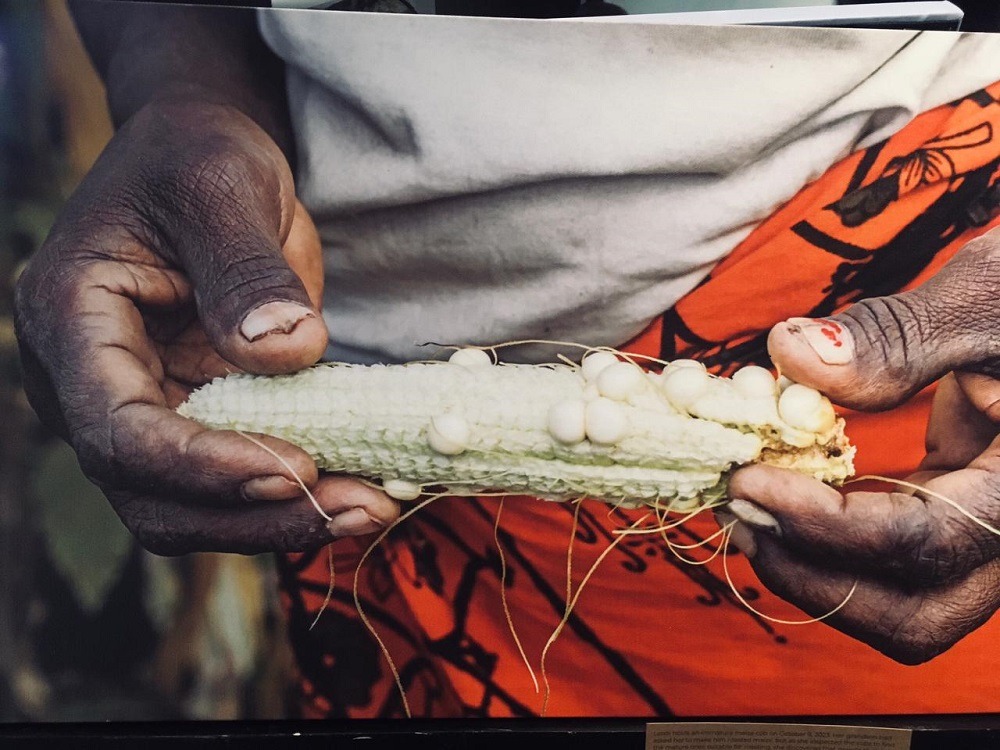
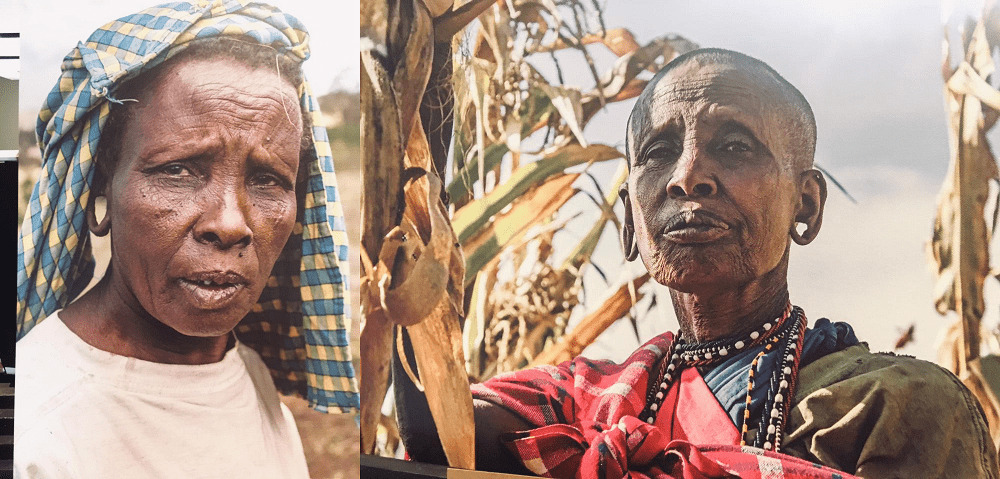
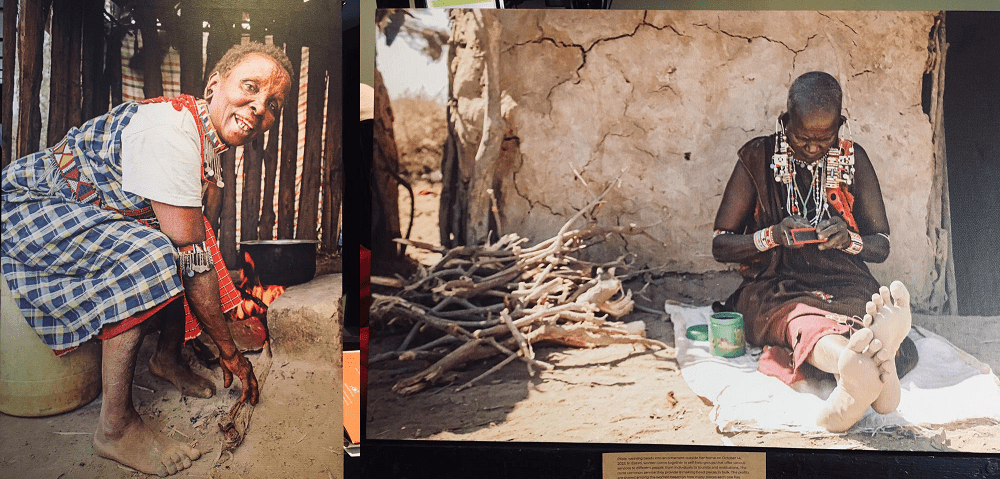
Through photographs by Irene Saitoti and Claire Metito, the stories of Maasai matriarchs in Narok were brought to life. A showcase of how the vulnerable communities at the frontline of climate change impacts are struggling to build resilience and adapt to the challenges amidst little to no help. The images showcased the challenges these women face as they navigate the intricate complexities of climate change while confronting the challenges of their social identities.


The photo exhibition celebrated the resilience of Indigenous women facing climate change, prompting experts and community leaders to emphasize the importance of connecting ground conditions with climate agreements and discussions. This was seen as the only way to address climate change realistically, ensuring adaptation efforts are locally driven and climate finance reaches those most at risk.


The need for increased investment in preserving and promoting Indigenous knowledge was underscored, recognizing the disconnect between the most vulnerable and those discussing climate finance, mitigation, and adaptation. Photographer Claire expressed her honor in showcasing the challenges her village mates face.
resilience
Some of the images taken by Lensational photographers courtesy

“Through the learning platforms provided by Lensational and the expertise of climate scientist Patricia Nying’uro, we were surprised to learn that what we have normalized as affecting us is climate change impacts,” she said.


Patricia Nying’uro, from the Kenya Meteorological Department, acknowledged that direct interaction with women on the front lines of climate change in a country categorized by the IPCC as among the most vulnerable has been a profound eye-opener for scientists and policymakers.


“Global decisions impacting national policy development are heavily influenced by scientific findings, but are they truly fair and representative if they fail to incorporate local and specific nuances of climate change, especially through a gendered lens? When local voices and intricacies concerning climate change are not heard, particularly without a gendered lens?” she questioned.
resilience


Ndinda Maithya, Country Engagement Manager at Hivos, emphasized the need to acknowledge that communities are already undertaking climate action in building resilience without support or financing, suggesting that climate finance should focus on scaling up these existing initiatives.


She also urged a move away from bureaucratic processes to make climate finance more accessible to grassroots communities who are most vulnerable.


Emily Wanja, Director of Africa Programs at Doc Society, highlighted the disproportionate burden of unpaid care work on women in the Maasai community, making them more susceptible to climate-related challenges. She stressed the need to elevate women’s roles as key to ensuring their integral involvement in both adaptation strategies and solutions implementation in the fight against climate change.

You Might Also Like

From Waste to Worth: Circular Solutions Take Center Stage on Zero Waste Day

Why Upcoming IMO Negotiations Are a Defining Moment for Africa’s Trade and Climate Future

Farmers’ Victory at Risk as Kenya Prepares Appeal on Indigenous Seeds Rights

Nairobi to Host GreenWorks 4 Africa Forum to Drive Green Jobs Agenda

Space Exploration’s Hidden Climate Footprint

TAGGED: indigenous knowledge, Indigenous People, Matriarchs of Climate Resilience, Matriarchs of Climate Resilience
Editorial Desk July 17, 2024 July 17, 2024
Share This Article
Facebook Twitter Email Copy Link Print
Leave a comment

Leave a Reply Cancel reply

Your email address will not be published. Required fields are marked *

Weekly Newsletter

Subscribe to our newsletter to get our newest articles instantly!


Also Read

GovernanceNews

Nature loss is now a boardroom issue, African company directors told

Company boards across Africa are being urged to put nature-related risks at…

By Editorial Desk 6 Min Read
AviationBusiness

Turkish Airlines Taps Çelebi Aviation as Nairobi Cements Its Role as an East African Aviation Hub

Nairobi's Jomo Kenyatta International Airport (JKIA) is adding another major carrier to…

By Editorial Desk 3 Min Read
Sports

Sevens Rugby’s Best Weekend Yet: Inside a Wild Two Days in Kisumu

There's a version of this story where KCB simply win. They arrived…

By Editorial Desk 5 Min Read

More Popular from GreenPrint Report

UNEA-6
ClimateSustainability

UNEA-6 Sparks Global Collaboration for a Sustainable Future

By Editorial Desk 4 Min Read
UNEA-6

UNEA-6 Sparks Global Collaboration for a Sustainable Future

By Editorial Desk
new collectoive quantified goal
ClimateSustainability

New Collective Quantified Goal as a Future Financing Solution

By Editorial Desk 4 Min Read
- Advertisement -
Ad image
ClimateSustainability

Enhancing Disaster Preparedness, Resilience in Madagascar

Cheneso marked the onset of the seasonal tropical cyclones disaster in Madagascar in January 2023, being…

By Editorial Desk
ClimateSustainability

Desert Locust a Probable Threat in IGAD Region

The 65th Greater Horn of Africa Climate Outlook Forum (GHACOF), which took place over two days…

By Editorial Desk
ClimateSustainability

Desert Locust a Probable Threat in IGAD Region

The 65th Greater Horn of Africa Climate Outlook Forum (GHACOF), which took place over two days…

By Editorial Desk
ClimateSustainability

Climate and Clean Air Initiatives Advances in the CCAC Ministerial Meeting

Climate and Clean air initiatives are vital to enhance regional coordination, foster private sector engagement and…

By Editorial Desk
ClimateSustainability

President Ruto Emphasizes Need for Action on Climate Crisis at Hand

President Ruto is on frontline championing Climate action rather than more climate talks when the situation…

By Editorial Desk
Green Print Report

The Greenprint Report is an independent, Kenya-focused online news platform that reports on sustainability and development issues. The goal is to inform, inspire, and engage readers with credible stories covering environmental conservation, climate change, and green innovation.

Contact:
Editorial Team: editor@greenprintreport.co.ke
Cell: +254 725 358401

Editorial Team: editor@greenprintreport.co.ke

Categories

  • Home
  • News
  • Climate
  • Renewable Energy
  • Biodiversity
  • Contact US

Quick Links

  • My Bookmarks
  • Customize Interests

The Greenprint Report © 2025. All Rights Reserved. Powered by Afritech Media

Welcome Back!

Sign in to your account

Lost your password?