By using this site, you agree to the Privacy Policy and Terms of Use.
Accept
Green Print ReportGreen Print ReportGreen Print Report
Font ResizerAa
  • Home
  • News
  • Climate
  • Renewable Energy
  • Biodiversity
  • Contact US
Reading: Africa to Navigate Opportunities in Global IMO Shipping’s Net-Zero Rules
Font ResizerAa
Green Print ReportGreen Print Report
  • Home
  • News
  • Climate
  • Renewable Energy
  • Biodiversity
  • Contact US
Search
  • Home
  • News
  • Climate
  • Renewable Energy
  • Biodiversity
  • Contact US
Have an existing account? Sign In
  • Home
  • News
  • Climate
  • Renewable Energy
  • Biodiversity
  • Contact US
© The Greenprint Report. All Rights Reserved.
IMO
OceansSustainability

Africa to Navigate Opportunities in Global IMO Shipping’s Net-Zero Rules

Editorial Desk
Last updated: 2026/03/11 at 9:52 AM
By Editorial Desk 5 Min Read
Share
5 Min Read
xr:d:DAFk7up_GPg:493,j:3838587395439038872,t:23062606
SHARE

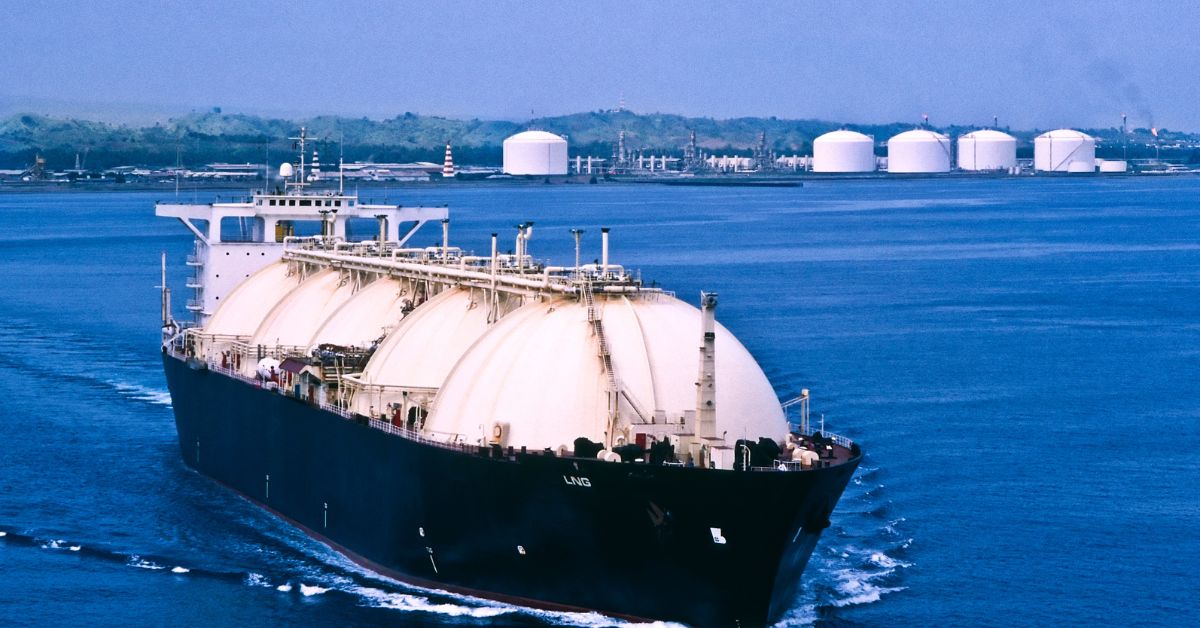
African countries are closely watching the implementation of the International Maritime Organization (IMO) Net-Zero Framework, a new global regulation designed to cut greenhouse gas emissions from international shipping.

The framework was approved in April 2025 during the 83rd meeting of the Marine Environment Protection Committee of the International Maritime Organization (IMO). If finalized through the amendment process, it will be incorporated into MARPOL Annex VI, becoming legally binding for countries that have ratified the treaty.

Under the timeline agreed at the IMO, the framework is expected to enter into force in 2027 and begin operating in 2028.

Shipping is responsible for about 3 percent of global greenhouse gas emissions, making it a critical sector in global climate efforts aligned with the Paris Agreement.

The new framework introduces a two-tier global fuel standard, requiring ships to progressively reduce their greenhouse-gas fuel intensity. Ships must measure the emissions produced per unit of energy used and meet increasingly strict annual targets.

A pricing mechanism will apply to vessels that exceed the required emissions limits. Ships whose emissions fall between the base and compliance targets will pay $100 per tonne of CO₂ equivalent, while vessels exceeding the base target will pay $380 per tonne.

Revenue from these payments will go into an IMO Net-Zero Fund, which is intended to support the adoption of cleaner fuels and technologies while helping ensure a fair transition for the global shipping industry.

However, analysts say the framework may fall short of the ambition needed to meet the IMO’s climate strategy. The organization’s 2023 greenhouse-gas strategy targets 20–30 percent emission reductions by 2030, 70–80 percent by 2040, and net-zero emissions around 2050. Current projections suggest the framework may only achieve 8–10 percent reductions by 2030.

Another concern relates to financing. The emissions pricing mechanism is expected to generate $10–15 billion per year, significantly less than the $40–60 billion annually that could have been raised through a universal carbon levy on shipping.

For African countries, the scale of funding matters since many of the developing countries rely heavily on maritime trade and face growing climate risks, while also seeking resources to support a just energy transition.

The design of the framework also raises equity concerns because ships can trade surplus emissions credits, and wealthier shipping operators may gain an advantage over smaller companies and developing economies.

Despite these challenges, the global shift toward cleaner fuels could open new opportunities for Africa.

Analysis from the Africa Green Hydrogen Alliance suggests several African countries could become major producers of green hydrogen and ammonia, key fuels expected to play a role in decarbonising shipping and heavy industry.

Countries including Egypt, Kenya, Mauritania, Morocco, Namibia, and South Africa have strong wind and solar resources that could support large-scale production of clean hydrogen.

“This study confirms that Africa stands to become a leader in the global green hydrogen arena. By investing in green hydrogen, the frontrunner countries in the Africa Green Hydrogen Alliance can create millions of jobs and unlock a roaring economic engine,” said Nigel Topping.

Demand for hydrogen is projected to grow rapidly as industries transition away from fossil fuels. Estimates suggest the sector could create millions of jobs and increase the combined GDP of participating African countries by up to $126 billion by 2050.

The next phase of negotiations at the IMO will focus on refining guidelines on fuel standards, lifecycle emissions accounting, and the distribution of revenues from emissions pricing.

For African governments, the coming years will be crucial in shaping rules that ensure the maritime transition supports both global climate goals and equitable economic opportunities.

You Might Also Like

From Waste to Worth: Circular Solutions Take Center Stage on Zero Waste Day

Youth Take Center Stage in Ocean Conservation: ‘Let’s Talk BBNJ Youth Series’

Why Upcoming IMO Negotiations Are a Defining Moment for Africa’s Trade and Climate Future

ISA Council Advances Deep-Sea Mining Rules Amid Push for Clear Standards Framework

Farmers’ Victory at Risk as Kenya Prepares Appeal on Indigenous Seeds Rights

TAGGED: IMO, IMO Net-Zero Fund, International Maritime Organization
Editorial Desk March 11, 2026 March 11, 2026
Share This Article
Facebook Twitter Email Copy Link Print
Leave a comment

Leave a Reply Cancel reply

Your email address will not be published. Required fields are marked *

Weekly Newsletter

Subscribe to our newsletter to get our newest articles instantly!


Also Read

News

Why Thailand is a global leader in medical and wellness tourism

With the rising demand for cost-effective, technologically advanced and high-quality medical care,…

By Editorial Desk 4 Min Read
Technology

Claw Phones Are Coming to Kenya, TECNO’s EllaClaw Leads the Change

TECNO is introducing a new era of mobile intelligence in Kenya and…

By Editorial Desk 3 Min Read
News

Easter Donations Bring Hope to Children’s Gardens Home

Children’s Gardens Home and School welcomed Easter donations from international well-wishers this…

By Editorial Desk 4 Min Read

More Popular from GreenPrint Report

UNEA-6
ClimateSustainability

UNEA-6 Sparks Global Collaboration for a Sustainable Future

By Editorial Desk 4 Min Read
UNEA-6

UNEA-6 Sparks Global Collaboration for a Sustainable Future

By Editorial Desk
new collectoive quantified goal
ClimateSustainability

New Collective Quantified Goal as a Future Financing Solution

By Editorial Desk 4 Min Read
- Advertisement -
Ad image
ClimateSustainability

Enhancing Disaster Preparedness, Resilience in Madagascar

Cheneso marked the onset of the seasonal tropical cyclones disaster in Madagascar in January 2023, being…

By Editorial Desk
ClimateSustainability

Desert Locust a Probable Threat in IGAD Region

The 65th Greater Horn of Africa Climate Outlook Forum (GHACOF), which took place over two days…

By Editorial Desk
ClimateSustainability

Desert Locust a Probable Threat in IGAD Region

The 65th Greater Horn of Africa Climate Outlook Forum (GHACOF), which took place over two days…

By Editorial Desk
ClimateSustainability

Climate and Clean Air Initiatives Advances in the CCAC Ministerial Meeting

Climate and Clean air initiatives are vital to enhance regional coordination, foster private sector engagement and…

By Editorial Desk
ClimateSustainability

President Ruto Emphasizes Need for Action on Climate Crisis at Hand

President Ruto is on frontline championing Climate action rather than more climate talks when the situation…

By Editorial Desk
Green Print Report

The Greenprint Report is an independent, Kenya-focused online news platform that reports on sustainability and development issues. The goal is to inform, inspire, and engage readers with credible stories covering environmental conservation, climate change, and green innovation.

Contact:
Editorial Team: editor@greenprintreport.co.ke
Cell: +254 725 358401

Editorial Team: editor@greenprintreport.co.ke

Categories

  • Home
  • News
  • Climate
  • Renewable Energy
  • Biodiversity
  • Contact US

Quick Links

  • My Bookmarks
  • Customize Interests

The Greenprint Report © 2025. All Rights Reserved. Powered by Afritech Media

Welcome Back!

Sign in to your account

Lost your password?