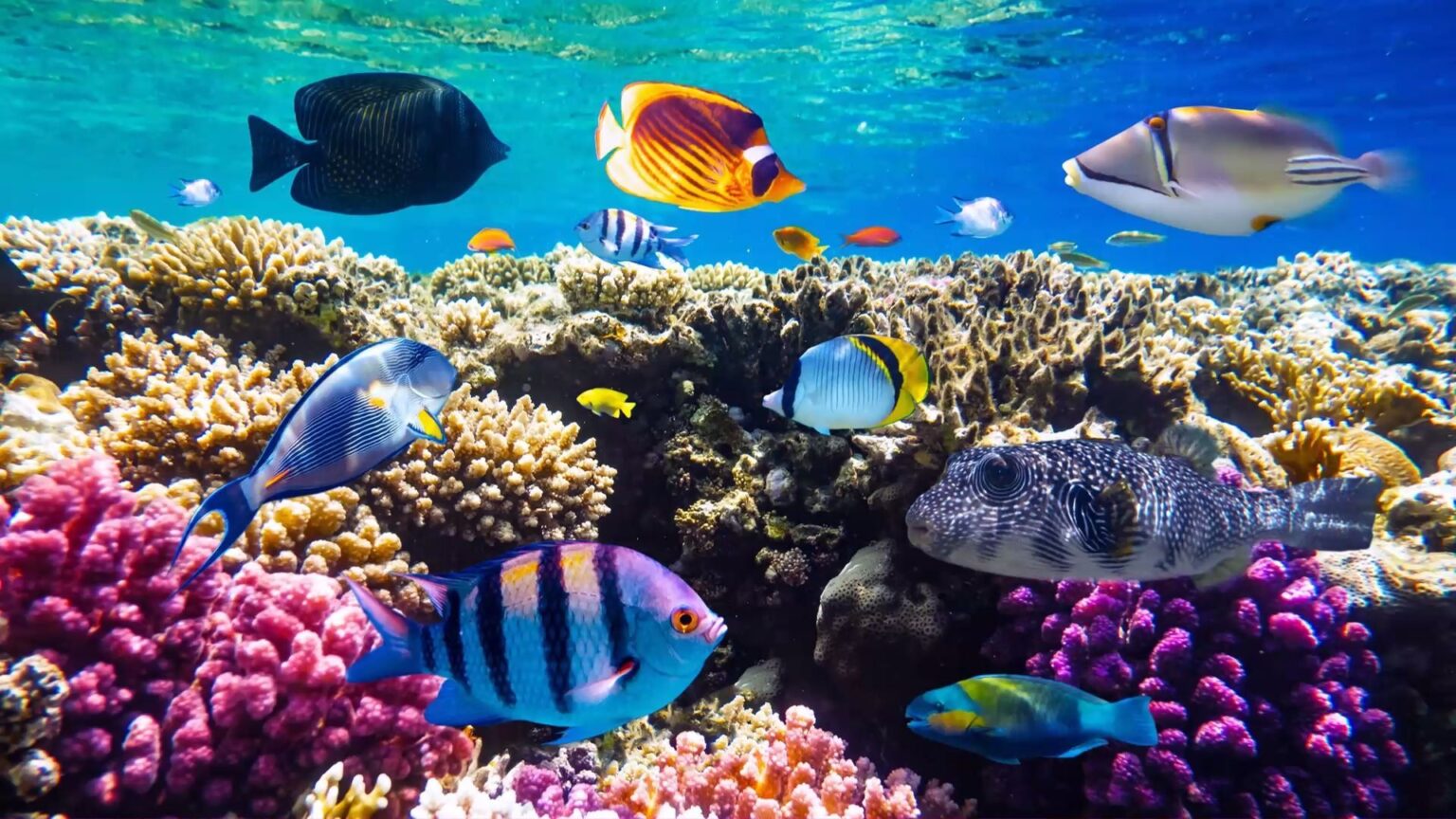

The “Let’s Talk BBNJ Youth Series” webinar brought renewed focus to ocean conservation, with speakers urging young people to take a leading role in global ocean governance.
Convened by the High Seas Alliance, Earthwatch International, and UNEP Regional Seas Programme, and moderated by Siyeon Joo and Sean Russell, the session created an accessible platform for youth engagement in ocean advocacy.
The treaty, adopted on June 19, 2023, under the United Nations Convention on the Law of the Sea, aims to ensure the protection and sustainable use of marine biodiversity in international waters, which cover nearly two-thirds of the ocean.
The BBNJ Agreement entered into force on 17 January 2026 after sufficient ratifications were secured, making it the third implementing agreement to the United Nations Convention on the Law of the Sea.
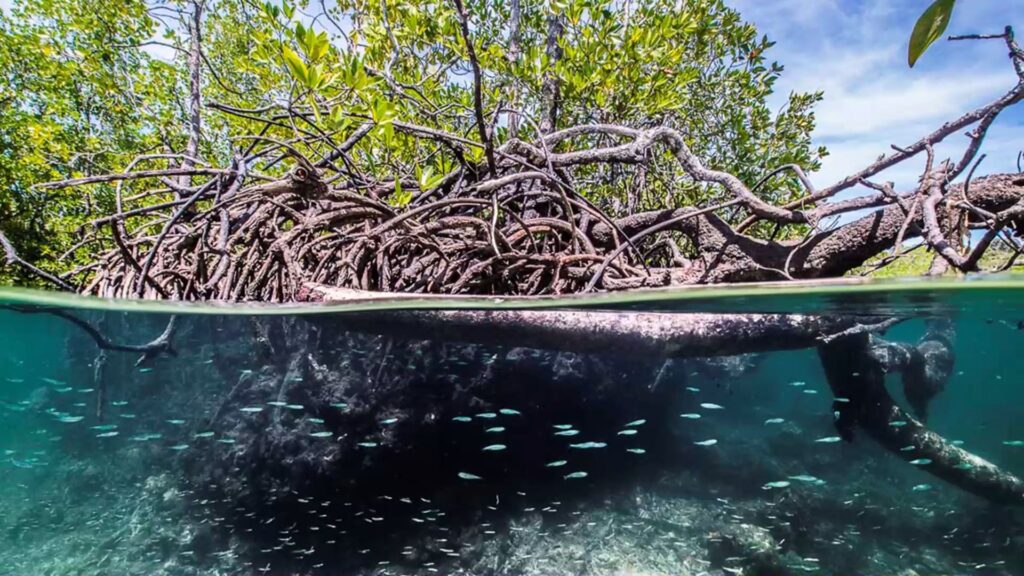
Speakers emphasized that adaptation strategies are key to building community resilience to climate change impacts and shocks. At the same time, mitigation efforts remain essential in limiting global warming and reducing greenhouse gas emissions.
According to Ola Kuznia, the High Seas Alliance, a global coalition of 18 member organizations working to secure strong protection for the high seas, the focus must now shift decisively toward ocean protection.
She noted that the webinar was designed to provide an entry point for youth participation, bringing together diverse perspectives on ocean advocacy.
“The decisions being made about the high seas right now will shape the future, and that’s why young people should absolutely be part of this conversation,” she said.
Sean Russell highlighted recurring themes of hope, life, and biodiversity, reflecting on their connection to humanity. He pointed to the ocean’s broader role in supporting food security, regulating the climate, and contributing to human well-being.
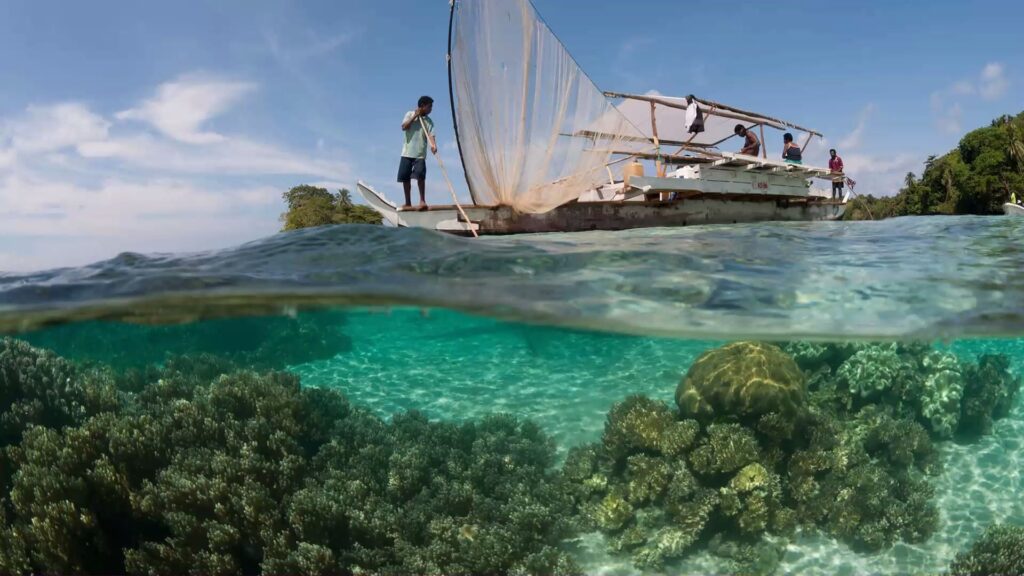
Adding a personal perspective, Eslam Osman, a principal marine scientist and coral reef ecologist, shared his journey into ocean conservation. Growing up in Cairo, Egypt, he discovered the ocean during a visit to Sharm El Sheikh, an experience that shaped his career path.
“When I arrived, I saw the vast blue ocean for the first time and was fascinated by the underwater life,” said Osman.
He further outlined the economic and ecological value of healthy marine ecosystems, noting their importance for tourism, food security, and coastal protection. He emphasized that safeguarding these ecosystems helps avoid costly interventions while maintaining biodiversity.
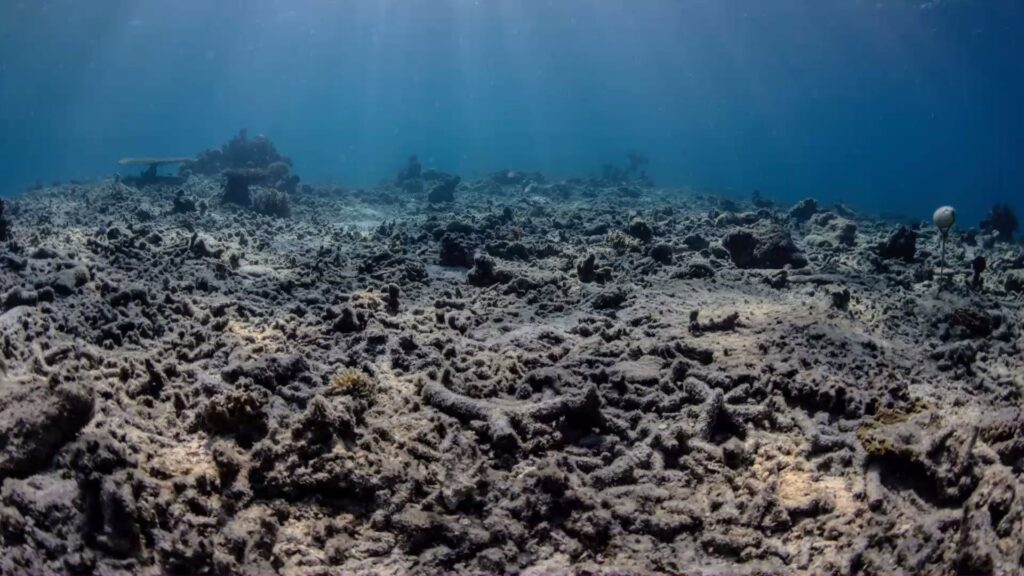
Luna Merino also stressed the ocean’s role as a critical carbon sink and highlighted the growing impacts of climate change on marine systems.
She pointed to ocean warming and its links to extreme events such as storms and marine heatwaves, as well as ocean acidification and its effects on coral reefs and shell-forming species.
The discussion further emphasized the importance of ocean observation systems and preventive measures in protecting coastal communities from sea level rise and other emerging threats.
The session closed with a clear message: without meaningful youth engagement, efforts to protect the high seas risk falling short at a critical moment for global ocean governance.