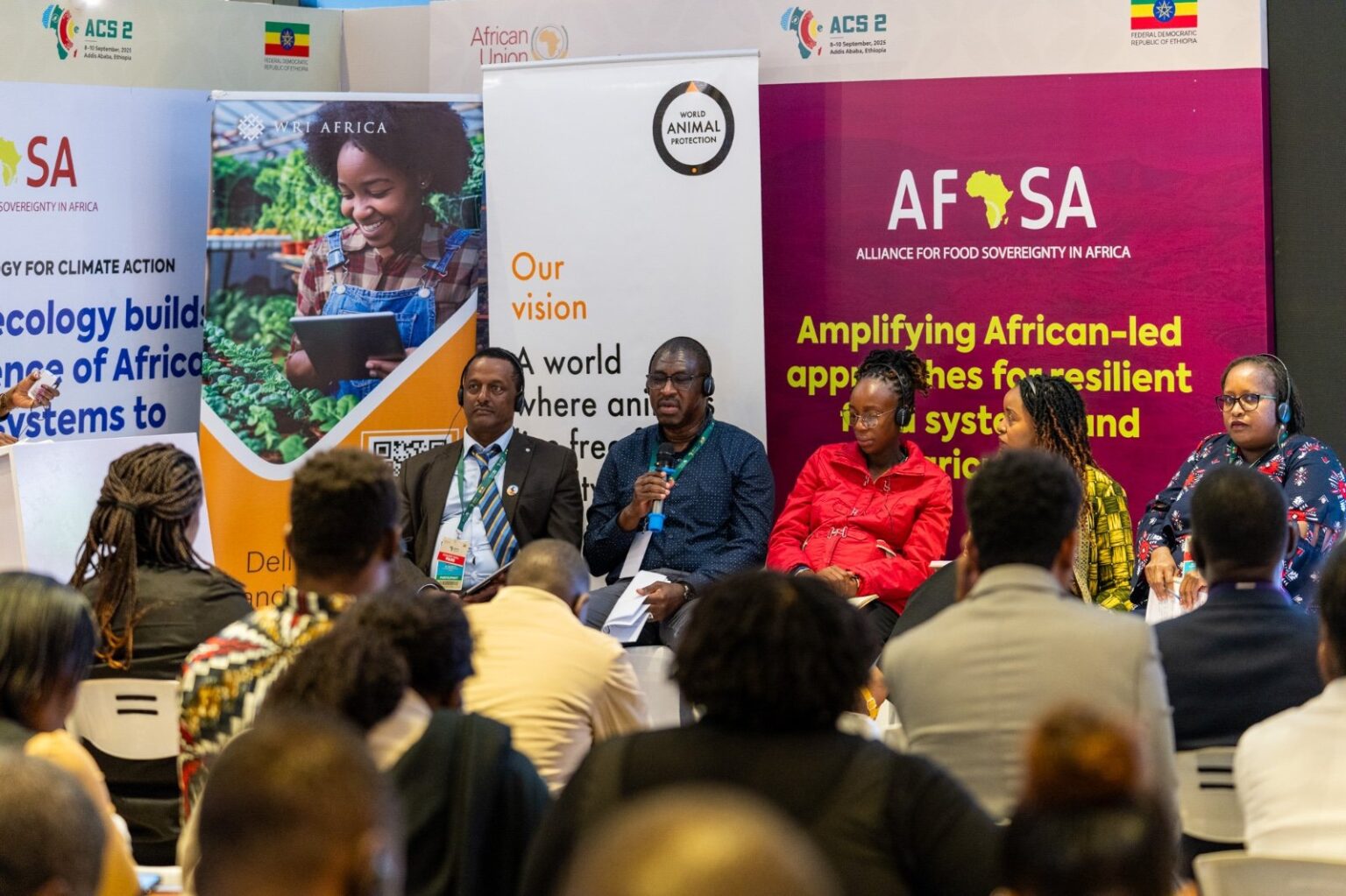

The air in Addis Ababa was thick with more than just the highland breeze as the African Climate Summit concluded. It was charged with the weight of a continent’s future, one in which the Alliance for Food Sovereignty (AFSA) was making a statement.
As the Africa Climate Summit drew leaders and diplomats, a powerful AFSA brought a unified voice that emerged from the halls, not just to speak of crisis, but to champion a solution rooted in the land itself: agroecology.
The Alliance for Food Sovereignty in Africa (AFSA), representing a vast network of farmers, Indigenous groups, and civil society, stood not as victims of a changing climate but as architects of a just and resilient future.
Their message was clear: as Africa faces worsening climate impacts, from prolonged droughts to devastating declines in agricultural productivity, governments must urgently prioritize #agroecology as the foundation for climate action and food system transformation.
A Continent on the Frontline
While Africa contributes less than 3% of global greenhouse emissions, it bears the brutal brunt of their consequences, of which food insecurity is on the frontline despite the vast arable land.
The data is stark: agricultural productivity has plummeted by over 30% since 1961, the steepest decline anywhere in the world. But the real story is written not in reports, but in the cracked earth of fields and the uncertain rhythms of shifting seasons that undermine food security for millions.
“Africa is not only a victim, but also a hub of climate solutions,” declared AFSA. The question at the summit was whether the high-level commitments would translate into action that truly strengthens communities, or repeat the mistakes of the past.
“Industrial agriculture has failed our people and our planet,” the alliance stated. “It’s time to invest in solutions that regenerate ecosystems, empower communities, and protect future generations.”
Amplifying the Farmer’s Voice
Central to this solution is elevating the voices of those who work the land. Ms. Anne Maina, co-founder of Biba Kenya, emphasized the critical need for agency and capacity building among farmers.
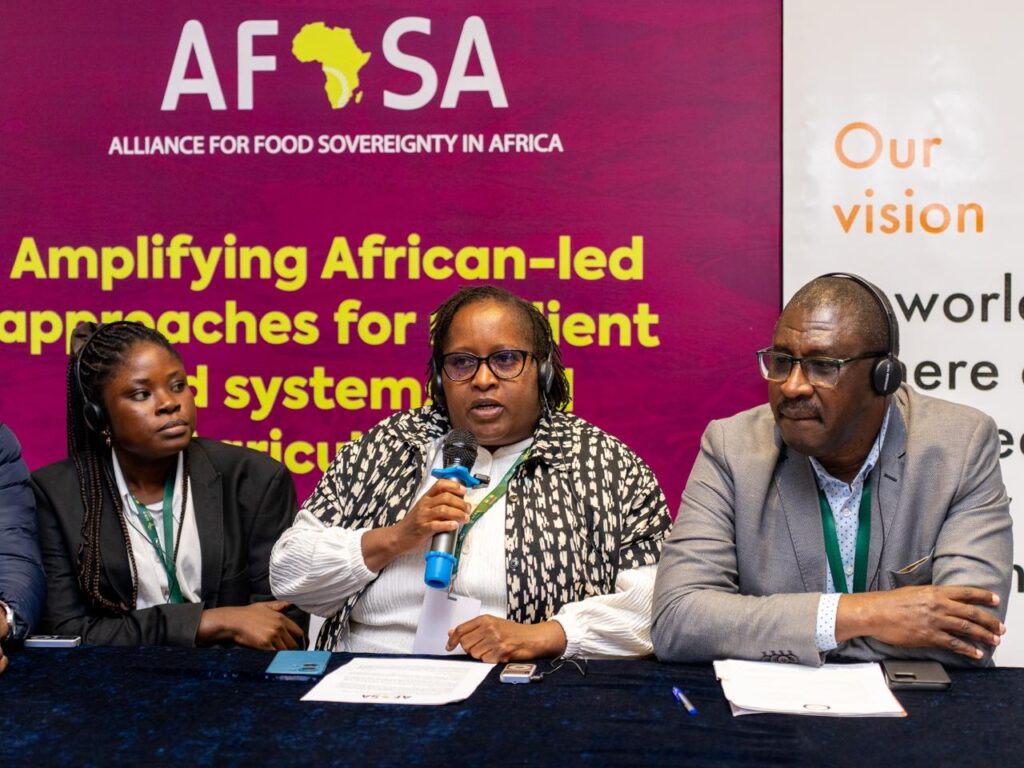
“The farmer’s voice is crucial. When a farmer speaks for themselves, it makes a huge difference, and that’s only possible with capacity building,” Maina stressed. “This is how real change happens. With a unified voice, farmers can effectively push for financing that meets the actual scale of the challenges we face.”
This sentiment was echoed in AFSA’s strategic presence at the summit. As Albert Katruguma pointed out, AFSA played a key role as part of the Civil Society & Inclusivity Committee, spearheading the Agriculture and Sustainable Systems Cluster to ensure this farmer-led perspective was integrated into the highest levels of discussion.
Rejecting False Solutions, Embracing Sovereignty
The call from AFSA was not for more of the same. It was a decisive demand for a Just Transition, a path away from exploitative, industrial food systems and “dirty energy” toward community-driven and equitable systems.
This means a firm rejection of the status quo: saying no to industrial animal agriculture, to synthetic fertilisers that degrade soil, and to “green” projects that mask the grabbing of Africa’s resources. It also means a deep skepticism of carbon markets that often allow the Global North to continue polluting at the expense of African communities.
“A just transition means energy sovereignty,” the statement continued, arguing that Africa must control its own renewable energy pathways to serve its people, not external interests.
Agroecology: A Multifaceted Solution
Even though what is agroecology? Dr. Bridget Mugambe, Deputy Chairperson of AFSA, framed it as nothing less than essential for survival.
“Agroecology isn’t just a farming technique, it’s a climate strategy, a justice movement, and a survival imperative,” she asserted.
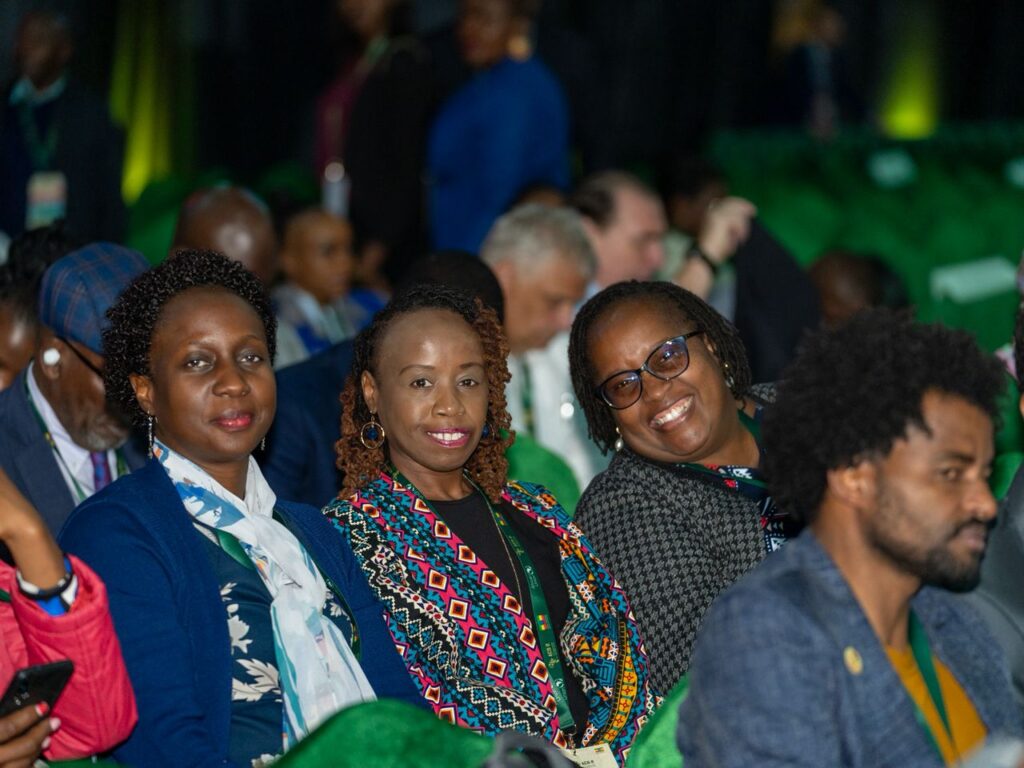
Rooted in indigenous knowledge and ecological science, agroecology restores soil, preserves biodiversity, reduces emissions, and strengthens local food systems.
AFSA is now calling for its full integration into the core of global and continental policy, including Nationally Determined Contributions (NDCs), National Adaptation Plans (NAPs), and the African Union’s Agenda 2063.
“This must be backed by real policy commitments and financing,” Dr. Mugambe added. “We need financing models that prioritize this agroecological transformation, not industrial monocultures.”
The Road from Addis to COP30
The Africa Climate Summit was not an endpoint, but a launching pad. The true test, AFSA argues, will be at COP30 in Brazil. Will Africa arrive with a united, stronger position centered on these people-led solutions?
“Civil society, farmers, faith leaders, women, and youth are ready to hold governments and global partners accountable,” the statement concluded.
The path forward is now clear, as pointed out by AFSA, and it is evident that by embracing agroecology, food sovereignty, and energy sovereignty, Africa can protect its people and its breathtaking ecosystems.
The message from Addis is that the continent is ready to set a global example of resilience and responsibility. The world would do well to listen.