By using this site, you agree to the Privacy Policy and Terms of Use.
Accept
Green Print ReportGreen Print ReportGreen Print Report
Font ResizerAa
  • Home
  • News
  • Climate
  • Renewable Energy
  • Biodiversity
  • Contact US
Reading: Africa’s Agricultural Future Will Rise or Fall on Its Extension Workforce
Font ResizerAa
Green Print ReportGreen Print Report
  • Home
  • News
  • Climate
  • Renewable Energy
  • Biodiversity
  • Contact US
Search
  • Home
  • News
  • Climate
  • Renewable Energy
  • Biodiversity
  • Contact US
Have an existing account? Sign In
  • Home
  • News
  • Climate
  • Renewable Energy
  • Biodiversity
  • Contact US
© The Greenprint Report. All Rights Reserved.
AgricultureOpinion

Africa’s Agricultural Future Will Rise or Fall on Its Extension Workforce

Editorial Desk
Last updated: 2025/12/18 at 8:37 AM
By Editorial Desk 5 Min Read
Share
5 Min Read
SHARE

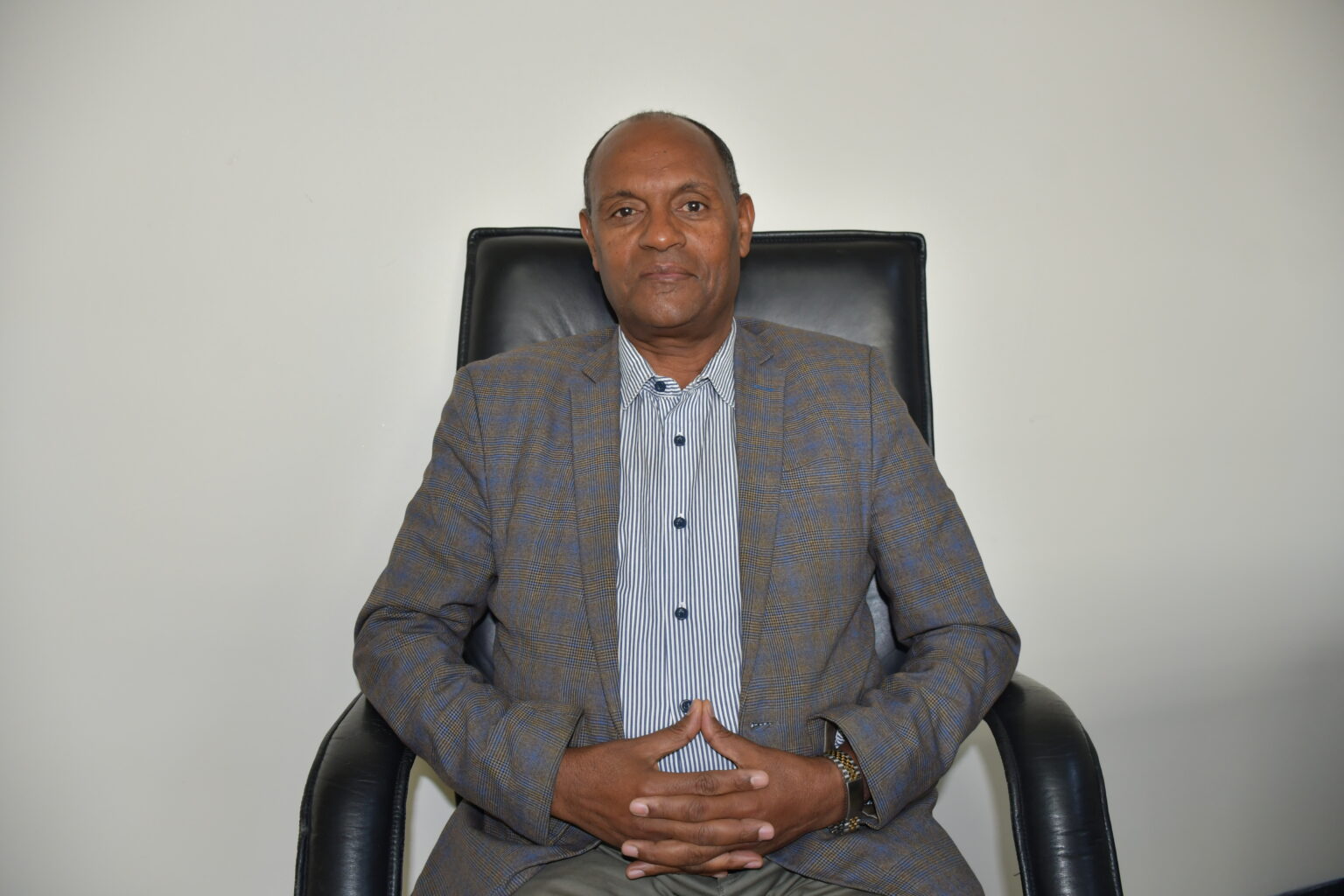
By Dr. Fentahun Mengistu, Country Director, Sasakawa Africa Association – Ethiopia

On the outskirts of rural Ethiopia, a farmer tests a new seed variety under erratic rainfall. She is not watching policy documents or global summits. She is watching her harvest. And standing between her risk and her reward is one person: the agricultural extension worker.

Across Africa, agriculture remains the backbone of livelihoods, food security, and rural stability. Yet despite decades of policy commitments, millions of smallholder farmers still face low productivity, limited market access, and intensifying climate shocks. What is often missing from this conversation is the most decisive factor of all: the people who translate science into survival on the farm.

Today, Africa’s agricultural extension systems are chronically underfunded, overstretched, and structurally outdated. Many extension workers lack current technical training, lack climate-science grounding, and are tasked with supporting thousands of farmers without adequate tools. This makes agricultural transformation not just difficult but slow, fragile, and inequitable.

Since 1993, Sasakawa Africa Association has worked to close this gap through the Sasakawa Africa Fund for Extension Education (SAFE), upgrading the qualifications of mid-career extension professionals while strengthening hands-on training across 31 universities and agricultural colleges. These programs are not theory-based. They are anchored in Supervised Enterprise Projects (SEPs) that force future extension leaders to solve real farm problems under real market conditions.

In November 2025, Ethiopia took a decisive step forward during a National Forum of SAA Partner Universities, where new demand-driven curricula were launched in Crop Science Extension, Horticulture Extension, Animal Science Extension, and Natural Resource Management Extension. The results are already visible: 1,425 Extension Agents enrolled across three universities, 57 percent of them women. Three additional Agricultural Technical and Vocational Education and Training colleges are set to absorb nearly 1,500 more.

But scale alone is not enough.

The greatest bottleneck remains financing for practical training. SEPs are constrained by limited budgets, uneven employer participation, and fragmented curriculum harmonization. Without stronger public-private investment models, extension education risks producing graduates with credentials but limited real-world capacity.

The implications extend far beyond Ethiopia.

Across Africa, commitments under the CAADP Kampala Declaration call for inclusive, resilient, and sustainable food systems. Yet no declaration can succeed without a robust workforce that operationalizes it at farm level. Extension agents such as crop diversification, climate smart practices and market integration, are the delivery mechanism of Africa’s agricultural future.

Gender inclusion is not optional in this agenda. Women produce much of Africa’s food, yet they remain underrepresented among extension professionals. Ethiopia’s 57 percent female intake is strategic, not just symbolic. When women lead extension, household nutrition, adoption rates, and community resilience rise.

Africa’s agricultural transformation now demands a value-chain mindset. Extension professionals must advise not only on production, but also on Market systems, Agribusiness development, post-harvest handling and Sustainable natural resource management

This is how productivity converts into income and food security into economic security.

As Africa pursues the ambitions of Agenda 2063 and the Sustainable Development Goals, extension education must be elevated from an afterthought to a national investment priority. Without skilled extension professionals, billions spent on climate adaptation, seed systems, and agrifood value chains will yield only partial returns.

Africa will not industrialize agriculture without professionalizing extension. Training, financing, and empowering this workforce is the economic infrastructure needed to scale.

The future of African food systems will not be built in conference halls. It will be built in extension classrooms, on demonstration plots, and through the hands of professionals who stand between innovation and the farmer. If we fail them, we fail Africa’s harvest.


You Might Also Like

Bridging Science and Soil: A Look at Seed Innovation in Kenya

Can Tanzania’s Master Plan Cut Farming Costs by Half?

Why Healthcare Must Lead in Climate Action

Elevating Smallholder Voices in East Africa’s Agricultural Adaptation Discourse

AFSA Calls for a Path to COP30 Embedded in Agroecology

Editorial Desk December 18, 2025 December 18, 2025
Share This Article
Facebook Twitter Email Copy Link Print
Leave a comment

Leave a Reply Cancel reply

Your email address will not be published. Required fields are marked *

Weekly Newsletter

Subscribe to our newsletter to get our newest articles instantly!


Also Read

ManufacturingNews

Logistics Takes Center Stage as FedEx, KAM Rally Industry Leaders to Boost Kenya’s Exports

FedEx and the Kenya Association of Manufacturers have urged closer collaboration between…

By Editorial Desk 3 Min Read
Technology

Africa Enters New Regulatory Phase as Yellow Card Unveils 2026 AI and Data Protection Report

Growing enforcement and stablecoin adoption reshape financial compliance landscape Yellow Card has…

By Editorial Desk 3 Min Read
News

Why Thailand is a global leader in medical and wellness tourism

With the rising demand for cost-effective, technologically advanced and high-quality medical care,…

By Editorial Desk 4 Min Read

More Popular from GreenPrint Report

UNEA-6
ClimateSustainability

UNEA-6 Sparks Global Collaboration for a Sustainable Future

By Editorial Desk 4 Min Read
UNEA-6

UNEA-6 Sparks Global Collaboration for a Sustainable Future

By Editorial Desk
new collectoive quantified goal
ClimateSustainability

New Collective Quantified Goal as a Future Financing Solution

By Editorial Desk 4 Min Read
- Advertisement -
Ad image
ClimateSustainability

Enhancing Disaster Preparedness, Resilience in Madagascar

Cheneso marked the onset of the seasonal tropical cyclones disaster in Madagascar in January 2023, being…

By Editorial Desk
ClimateSustainability

Desert Locust a Probable Threat in IGAD Region

The 65th Greater Horn of Africa Climate Outlook Forum (GHACOF), which took place over two days…

By Editorial Desk
ClimateSustainability

Desert Locust a Probable Threat in IGAD Region

The 65th Greater Horn of Africa Climate Outlook Forum (GHACOF), which took place over two days…

By Editorial Desk
ClimateSustainability

Climate and Clean Air Initiatives Advances in the CCAC Ministerial Meeting

Climate and Clean air initiatives are vital to enhance regional coordination, foster private sector engagement and…

By Editorial Desk
ClimateSustainability

President Ruto Emphasizes Need for Action on Climate Crisis at Hand

President Ruto is on frontline championing Climate action rather than more climate talks when the situation…

By Editorial Desk
Green Print Report

The Greenprint Report is an independent, Kenya-focused online news platform that reports on sustainability and development issues. The goal is to inform, inspire, and engage readers with credible stories covering environmental conservation, climate change, and green innovation.

Contact:
Editorial Team: editor@greenprintreport.co.ke
Cell: +254 725 358401

Editorial Team: editor@greenprintreport.co.ke

Categories

  • Home
  • News
  • Climate
  • Renewable Energy
  • Biodiversity
  • Contact US

Quick Links

  • My Bookmarks
  • Customize Interests

The Greenprint Report © 2025. All Rights Reserved. Powered by Afritech Media

Welcome Back!

Sign in to your account

Lost your password?