


Smallholder farmers are the often-overlooked pieces on the chessboard, yet their role is as vital as the pawns that underpin the game.
They are frequently ignored until food scarcity hits. Even then, headlines center on industrial, large-scale producers, while the smallholders who form the backbone of our food systems stay in the shadows.
These smallholders, especially women and youth, grapple with limited access to clean, affordable energy, which undermines irrigation, storage, and food processing capabilities. As the calls for a just transition grow louder, it’s important to recognize that centralized, extractive energy systems have only deepened rural hunger and poverty.
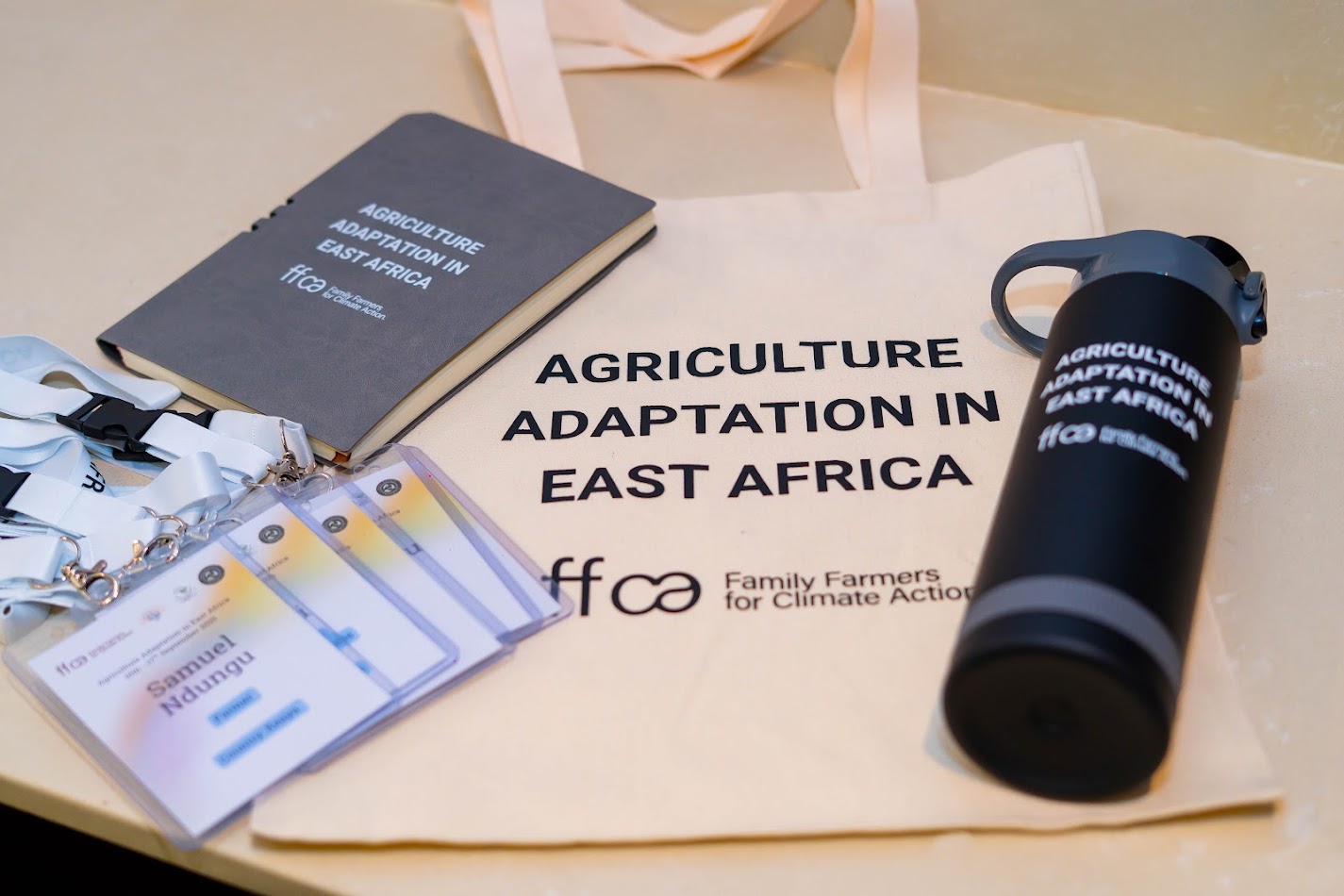
Their plight was spotlighted at a convention organized by a coalition led by a campaign of Family Farmers for Climate Action, in collaboration with the Eastern Africa Farmers Federation (EAFF), the Eastern and Southern Africa Small-Scale Farmers’ Forum (ESAFF), and the Seed Savers Network.
The event, which united farmers, journalists, and content creators, served as a powerful platform for smallholders to share their experiences.
Under the theme “Agriculture Adaptation in East Africa,” the meeting explored the daily challenges and best practices of smallholder farmers. Discussions uncovered a common narrative where agricultural stories frequently cater to policymakers and experts, sidelining the voices of the farmers themselves.
The small-scale farmer, battling issues from seed sovereignty to inadequate tools of mechanization and support, is rarely the focus of the conversation.
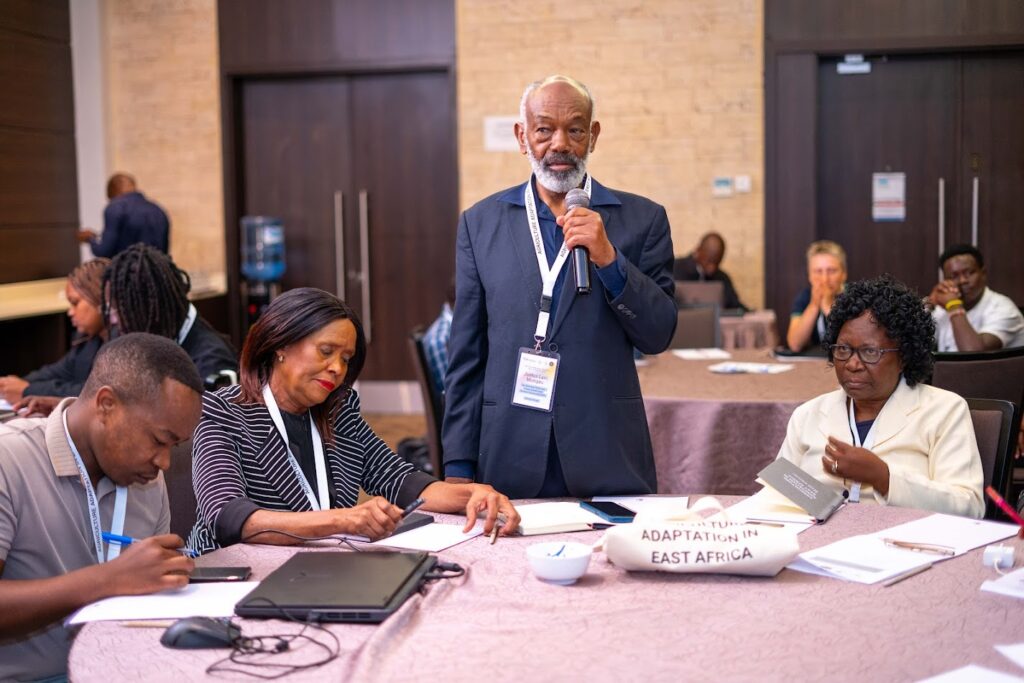
According to Justus Lavi, the national chairman of the Kenya Small Scale Farmers Forum (KESFF), these farmers face numerous woes that are seldom addressed by the government. He identified the failure of extension services to deliver quality support as a major limitation to production, coupled with limited financing that leaves farmers with few options.
A 2021 report outlines their critical yet under-supported role: while smallholder farmers typically cultivate only 2-5 acres of land, the fact that they contribute 30-40% of the world’s food supply is surprising. Despite these wins, research shows that a mere 3-5% of public climate finance investments reach rural farmers for land use and agricultural activities.
It is crucial to recognize how deeply connected these farmers are to their craft. They invest up to $368 billion of their own capital annually into their farms to build resilience against climate shocks.
Furthermore, smallholder farmers are vital employers, providing up to 60% of on-farm jobs, with over 70% of families earning their livelihoods from the agricultural sector, making it a lucrative venture if properly supported.
This lack of external funding forces smallholders to reinvest all their returns into combating climate change just to survive.
Mr. Peter Owoko, Director of Policy at the State Department of Agriculture in Kenya’s Ministry of Agriculture and Livestock Development, reiterated that agriculture is central to social stability, poverty reduction, and climate resilience.
Acknowledging the high vulnerability of agriculture in Kenya and neighboring countries, Mr. Owoko stated that the government is strengthening resilient agriculture by supporting farmers to build their capacity to absorb climate shocks, sustainably increase productivity, and create more equitable, climate-smart food systems to ensure long-term food and nutritional security.
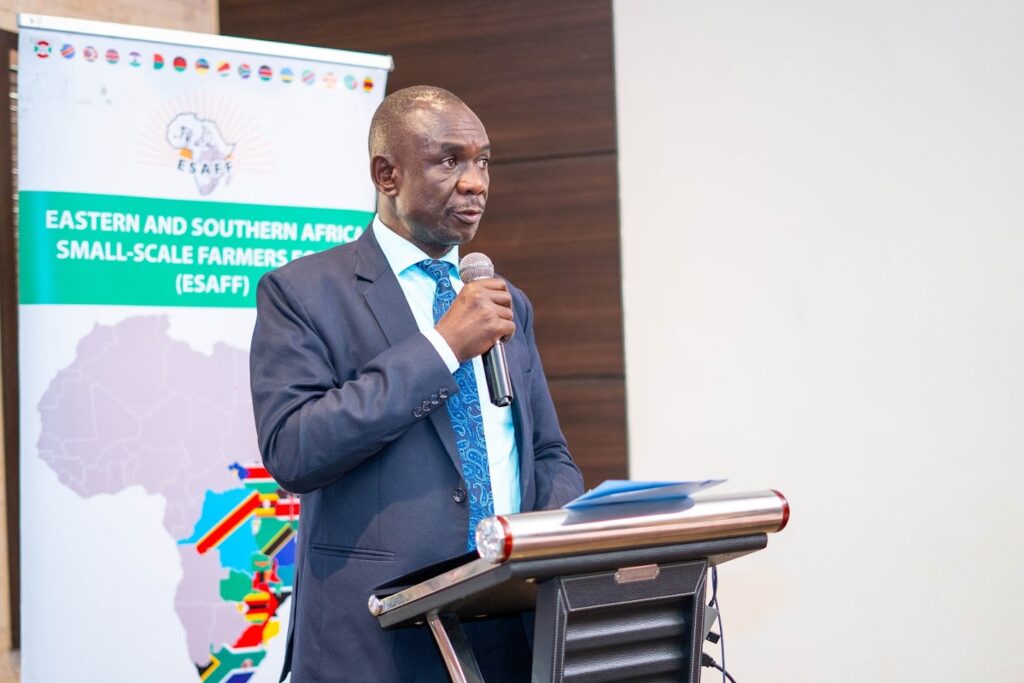
He added that convenings like the Agriculture Adaptation meeting are instrumental, as they enable diverse farmers across the continent to share innovations, scale effective practices, and help shape inclusive, evidence-based policies.
Ironically, ministers, experts, and policymakers often receive the most coverage, while local communities are left on the periphery. Family farmers, having attended conferences from COP28 to COP29, are now keen on securing tangible wins for smallholders everywhere.
According to Miss Elizabeth Nsimadala, President of EAFF, the last COP was the first time a farmer was given the chance to speak during the opening of the UN Framework Convention on Climate Change (UNFCCC) meetings.
She urges for more conversations that do not revolve around farmers but actively include them, asserting that the capability to address their challenges lies in fully understanding them.
Amplifying farmer voices creates opportunities for others to learn and emulate best practices. Over the years, farmers have shifted to reorganizing amongst themselves, creating financing mechanisms, and offering capacity-building programs across the continent, as showcased by EAFF.
Their resilience shines through agroecology and innovation as they overcome climate change repercussions to continue feeding their families and nations.
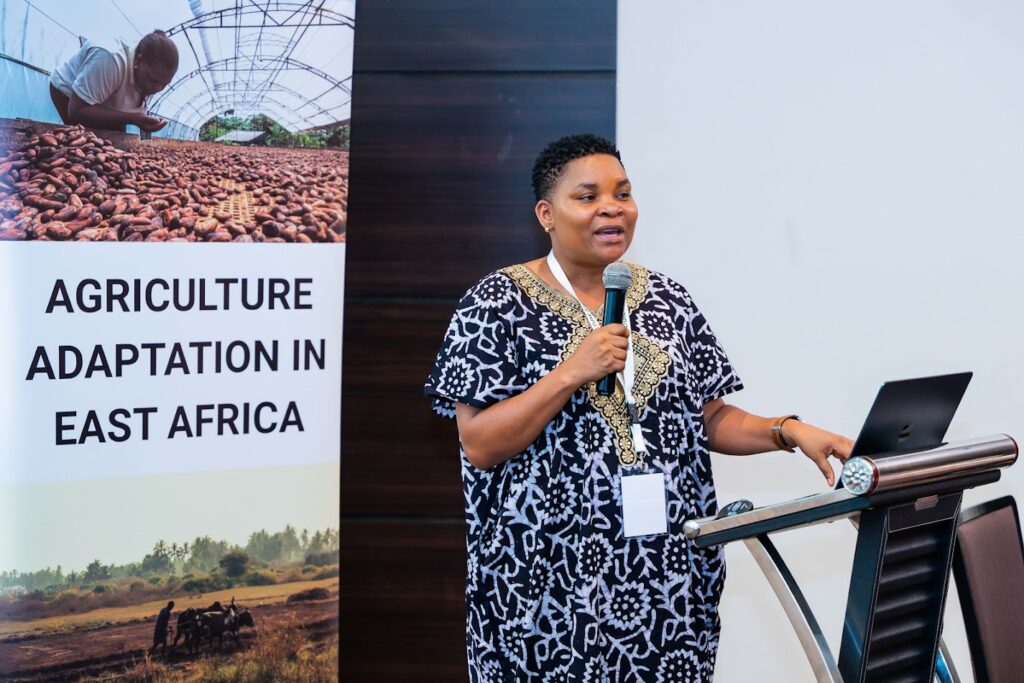
Mrs. Diane Sibanda, Chair of the Eastern and Southern Africa Smallholder Farmers’ Forum, shared that their objective is to learn and share innovative success stories.
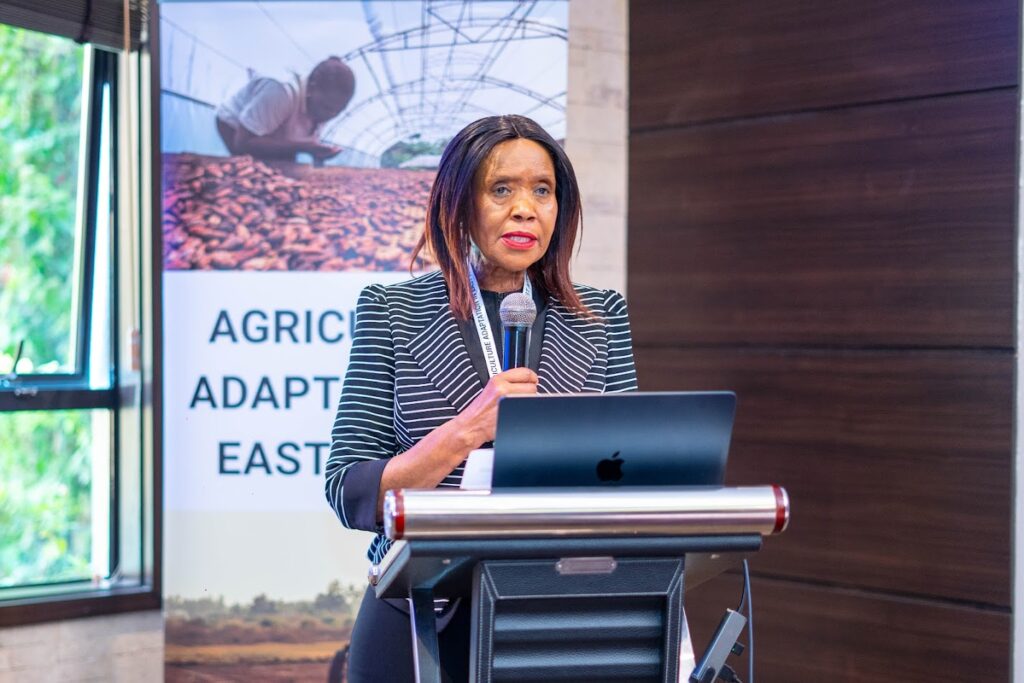
“We are aiming at connecting local realities with global multi-lateral conversations where policymakers are involved in decision-making,” said Sibanda. “We can strengthen collaboration between farmers, researchers, policymakers, civil society, and media to advance sustainable and resilient agriculture in East Africa.”




It definitely true that our governments in the Sub Saharan Africa have no structures for the recognition of Small Scale Farmers SSFs of the region though they contribute enormously to the economic well-being of the region.
By utilising their own resources of land, time, money and labour.
Hence this is the highest time the regional governments woke up from colonial remnant mentality and but their monetary investment where there’s biggest opportunity for achieving the biggest returns as per the resent needs based assessments survey carried and being carried.