
AGRA, an African-led institution founded in 2006, has remained steadfast in its commitment to smallholder farmers and micro, small, and medium-sized enterprises (MSMEs) as pivotal players in addressing the continent’s food insecurity challenges.
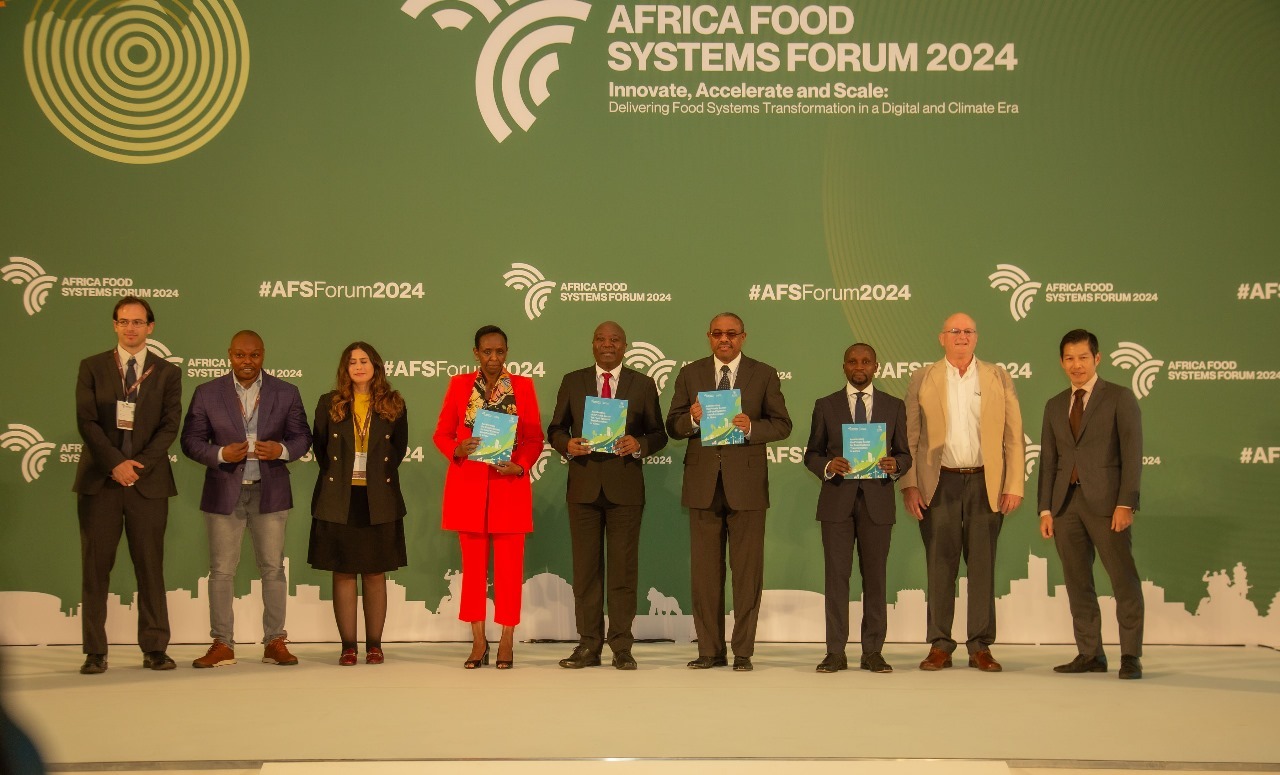
At the Africa Food Systems Summit in Kigali, Rwanda, AGRA introduced its 2024 Africa Agriculture Status Report titled “Harnessing the Private Sector for Food Systems Transformation in Africa.” This insightful report highlights the indispensable role of smallholder farmers in reshaping food systems across the continent.
The report offers a comprehensive analysis of how MSMEs—accounting for the majority of agribusinesses, many of which function informally—are vital to the agricultural and economic transformation of Africa.
Dr. Agnes Kalibata, President of AGRA, emphasized the pivotal impact of MSMEs in transforming Africa’s agrifood sector. “By harnessing the power of the private sector, we can revamp food systems and foster sustainable growth. This report presents practical insights for supporting MSMEs, crucial for enhancing food security and driving economic development,” she stated.
The report also highlights a shift toward more inclusive agribusiness investments from medium- and large-scale enterprises, which are increasingly incorporating smallholder farmers into their operations and improving rural livelihoods.
This shift stems from a growing acknowledgment of the vital contribution smallholders make to agricultural productivity and food security.Initiatives that provide access to improved seeds, modern farming techniques, and financial services have significantly increased the yields and incomes of smallholder farmers. Additionally, investments in rural infrastructure—such as roads, storage facilities, and market access—are essential for integrating small farmers into larger value chains and markets.
Dr. Kalibata emphasized the report as a milestone in understanding the private sector’s role in Africa’s agrifood systems, underscoring the crucial impact of MSMEs in driving productivity and economic growth.

“We aim to demonstrate how these enterprises drive innovation and growth. We call for increased collaboration between governments and the private sector to overcome challenges and unlock opportunities for sustainable development,” she added.
Case Studies: Innovations and Growth
The report features case studies showcasing how investments in cash crops, infrastructure, and digital technologies are driving diversification and boosting exports:
- In Malawi, investments in groundnut production, supported by new seed varieties and enhanced processing, have bolstered local agriculture and expanded export markets.
- Nigeria has revitalized its cocoa sector through strategic investments in modern farming techniques and processing infrastructure.
- Ghana has seen mobile platforms like AgroCenta transform agriculture by providing farmers with market information, access to credit, and improved input distribution.
- Despite regulatory challenges, Kenya has become a leading macadamia nut exporter by adopting digital farm management platforms.
Digital technology is transforming agricultural value chains by improving access to inputs, credit, and market information. Platforms like M-Kulima and M-Pesa are streamlining transactions and improving efficiency, while services like Hello Tractor are increasing mechanization for smallholder farmers.
In Tanzania, agro-industrial parks have enhanced food processing and value addition by integrating smallholder farmers into larger value chains, fostering job creation and food security.
In Zambia, investments in veterinary services and livestock feed production have significantly boosted the livestock sector, expanding meat and dairy production and export opportunities.
The report calls for collaboration between governments, development partners, and the private sector to address the challenges and capitalize on growth opportunities. Key recommendations include investing in infrastructure, supporting MSMEs, and implementing policies to advance Africa’s agrifood systems toward greater sustainability and resilience.
Key Findings
- Private Sector’s Impact: The report reveals that the private sector drives 80% of Africa’s food economy, with MSMEs managing about 85% of the agrifood value chains.
- Growth Drivers: Urbanization, rising food consumption, and shifting dietary patterns drive MSME growth, with urban markets accounting for over 50% of food purchases in many African countries.
- Challenges: MSMEs face inadequate infrastructure, limited access to finance, and regulatory barriers, including poor roads, insufficient wholesale markets, and unreliable electricity.
- Policy Recommendations: The report advocates for targeted investments in infrastructure, improved financial access, and streamlined regulations to support MSME growth.
- Agro-Industrial Parks: These parks are crucial for addressing infrastructure gaps and enhancing agrifood system efficiency.
- Job Creation and Food Security: MSMEs are significant employers, providing up to 60% of jobs in some regions, and play a vital role in ensuring food security.